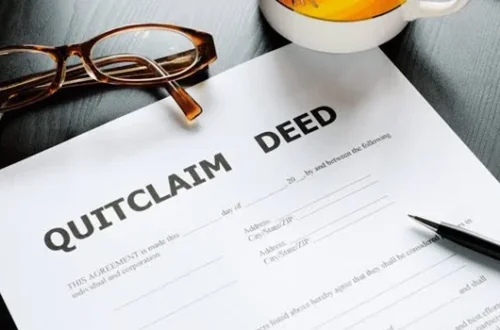
If you are searching for recreational gold mining claims for sale, you can find placer and lode mining claims in several gold-producing areas of the western United States. These properties are often marketed to hobby prospectors, weekend gold panners, metal-detecting enthusiasts, and small-scale miners.
However, buying a mining claim is not the same as buying private land. An unpatented federal mining claim gives the claimant certain rights to develop and extract qualifying minerals, while the underlying federal land remains under federal ownership and management.
What Is a Recreational Gold Mining Claim?
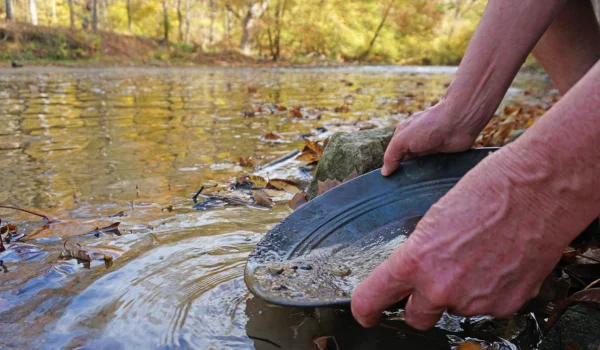
A recreational gold mining claim is generally a mining claim purchased or held for prospecting and small-scale mineral exploration rather than a large commercial mining operation.
Common activities may include:
- Gold panning
- Metal detecting
- Sluicing
- Sampling
- Dry washing
- Small-scale placer mining
- Geological exploration
What you can actually do depends on the claim, land-management agency, state law, environmental requirements, and any applicable permits.
The Bureau of Land Management (BLM) explains that mining claims can cover locatable minerals, including gold and other metallic minerals.
Where Are Recreational Gold Claims Available?
Federal mining claims can be located on certain federally administered lands in 19 states, including:
- Arizona
- California
- Colorado
- Idaho
- Montana
- Nevada
- New Mexico
- Oregon
- South Dakota
- Utah
- Washington
- Wyoming
- Alaska
Other states are also included in the BLM’s list of states where federally administered lands may be available for mining claims. However, not every piece of federal land is open to mineral entry.
This distinction is extremely important when buying a claim.
Placer vs. Lode Gold Mining Claims
There are two main types you will encounter when searching for recreational gold claims.
Placer Claims
Placer claims generally cover gold deposited in loose material such as gravel, sand and stream deposits.
They are often the most interesting type for recreational prospectors because placer gold can potentially be recovered through methods such as panning, sluicing or other permitted techniques.
Federal law generally allows a placer claim of up to 20 acres per locator, subject to the applicable rules.
Lode Claims
Lode claims generally cover gold or other valuable minerals occurring in veins or rock formations.
They are more commonly associated with hard-rock or vein mining.
A federal lode claim is generally limited to 1,500 feet in length and 600 feet in width under federal law.
For someone primarily interested in weekend panning or detecting, a placer claim may be more relevant than a lode claim.
Current Gold Mining Claims for Sale
The market changes frequently, so individual listings should always be independently verified before money changes hands.
Current online marketplaces show claims ranging from relatively inexpensive recreational properties to much larger commercial-scale projects.
For example, one current marketplace lists active claims in Arizona, California, Nevada, Oregon and other western states, including smaller placer claims priced in the several-thousand-dollar range.
Another marketplace currently shows listings such as:
- A 20-acre placer claim in Arizona listed around $10,000
- A 60-acre placer property in Arizona listed around $30,000
- A 20.66-acre lode claim in Montana listed around $24,995
These are asking prices from private sellers, not government valuations, and availability can change quickly.
There are also current listings at lower prices. For example, one Arizona seller currently advertises a 20-acre placer claim for $5,000 and a lode claim for $12,500.
Recreational Gold Claims by State
Arizona
Arizona is one of the most popular areas for recreational gold prospecting.
Current private listings include placer and lode claims around areas such as:
- Gold Basin
- Prescott
- Wickenburg
- Yavapai County
- Quartzsite
Some current listings are priced below $10,000, while larger or more developed properties can cost considerably more.
California
California has a long history of placer gold mining, and private sellers continue to offer mining claims.
Current listings include smaller unpatented placer claims in areas such as Sierra County and other historic gold regions.
Nevada
Nevada is well known for gold mining, although many recreational claims involve remote desert terrain.
Current listings include placer and lode claims in different Nevada mining districts, with asking prices ranging from several thousand dollars to substantially more.
Montana
Montana has numerous historic placer-gold areas.
Some current sellers offer recreational leases as an alternative to purchasing a claim. One Montana seller, for example, advertises one-year recreational leases for panning, sluicing, metal detecting and field exploration.
Oregon
Oregon has historic placer districts and continues to have private mining claims available.
A June 2026 Eastern Oregon Mining Association listing described two 20-acre placer claims in Baker County with reported reserves, a Notice of Intent for sampling and bulk sampling, and a geological report. The asking price reported in that listing was $300,000, illustrating how dramatically prices can differ between simple recreational claims and more developed properties.
How Much Do Recreational Gold Claims Cost?
There is no standard price.
A small recreational claim might be advertised for only a few thousand dollars, while a large property with documented exploration, historical production, access and infrastructure can cost hundreds of thousands or more.
Factors affecting price include:
- Acreage
- Gold history
- Type of claim
- Access
- Water availability
- Geological information
- Historical production
- Existing permits or plans
- Road access
- Location
- Annual maintenance obligations
For example, current listings include claims below $10,000 as well as much larger properties priced at $250,000 or more.
Important: You Are Not Buying the Land
This is one of the biggest misunderstandings among first-time buyers.
An unpatented mining claim does not generally give you private ownership of the surface land.
The BLM’s 2026 mining-claims guidance explains that the surface of an unpatented claim remains federal land and that the BLM or Forest Service retains authority over the surface and surface resources.
Your rights are primarily associated with the valuable mineral deposit and mining-related uses permitted under applicable law.
Therefore, don’t purchase a claim assuming you are buying a private 20-acre vacation property.
Can You Camp on a Mining Claim?
Do not automatically assume that owning a mining claim gives you unrestricted residential or recreational rights.
Federal rules regulate occupancy and structures on mining claims, and the surface-management agency can retain authority over the land.
The BLM explains that an unpatented claim does not eliminate federal management of the surface.
Any camping, structure, vehicle use, excavation or other activity should be checked against the applicable land-management and state rules.
How to Verify a Mining Claim Before Buying
This is arguably the most important part of the process.
Check BLM Records
Ask the seller for the claim’s BLM serial number.
The BLM says a properly recorded federal mining claim has a BLM serial number, and sellers should be able to provide it.
You can then research the claim through the BLM’s Mineral & Land Records System (MLRS).
Check County Records
Mining claims also have state and county recording requirements.
BLM explains that claims must generally be recorded with the appropriate county and BLM office within the applicable period after location.
Check Whether the Claim Is Actually Active
Don’t rely only on an old seller advertisement.
Verify:
- Claim name
- BLM serial number
- Current claimant
- Location
- Acreage
- Claim type
- Maintenance status
- Transfer records
- Any available notices
Check the Ground Yourself
A claim can look impressive on a map but be difficult to access in reality.
Before purchasing, consider visiting the area and checking:
- Road conditions
- Claim markers
- Terrain
- Water
- Nearby land uses
- Physical access
- Signs of previous mining
- Actual geological conditions
Don’t Assume a Gold Claim Contains Profitable Gold
A seller may describe a property as a gold-bearing claim, historic gold property, or high-potential claim.
That does not guarantee profitable gold production.
Ask what evidence supports the claims.
Potentially useful information includes:
- Assay reports
- Sampling results
- Historical production records
- Geological reports
- Mining records
- Photographs
- Location data
- Previous exploration records
A claim’s purchase price should not be treated as proof of its mineral value.
Recreational Mining vs. Commercial Mining
A claim suitable for weekend prospecting may not be suitable for commercial mining.
Commercial operations can involve significantly greater:
- Environmental review
- Permitting
- Equipment requirements
- Water regulations
- Reclamation obligations
- Surface-management requirements
BLM regulations distinguish casual use from activities that create greater surface disturbance. Mechanized earth-moving equipment, chemicals and explosives are among activities that are not considered casual use under the cited regulations.
Can You Buy an Existing Mining Claim?
Yes, existing mining claims can be transferred.
However, the transfer must be properly documented and recorded.
BLM states that ownership transfers require an appropriate deed, such as a quitclaim deed, and applicable filings with the county and BLM.
Don’t simply pay a seller and assume you now legally own the claim.
Who Can Own a Federal Mining Claim?
Federal rules generally permit U.S. citizens and certain individuals who have declared their intention to become citizens to locate mining claims. Corporations organized under U.S. state law can also qualify.
The rules can be more complicated for particular ownership structures and transactions, so buyers should verify eligibility before completing a purchase.
Recreational Gold Mining Claims for Sale: Buyer Checklist
Before purchasing, check all of the following:
- BLM serial number
- Claim name
- Claim type
- Exact location
- Current owner
- County records
- BLM records
- Annual maintenance status
- Claim boundaries
- Access
- Water availability
- Previous mining history
- Geological evidence
- Assay reports
- Environmental restrictions
- State requirements
- Federal land-management restrictions
- Transfer documents
- Seller’s ownership authority
Most importantly, verify the claim independently rather than relying entirely on the seller’s description.
Frequently Asked Questions
What is the best type of claim for recreational gold prospecting?
A placer claim is often more relevant to recreational prospectors interested in alluvial gold, panning and similar activities. However, the suitability of a particular claim depends on its geology and the activities legally permitted there.
How much does a recreational gold mining claim cost?
Prices vary significantly. Current listings range from several thousand dollars for smaller claims to hundreds of thousands of dollars for larger or more developed properties.
Can I buy a 20-acre gold mining claim?
Yes. Federal placer claims can generally be up to 20 acres per locator, subject to applicable federal and state requirements.
Does buying a mining claim mean I own the land?
Generally, no. An unpatented federal mining claim does not transfer ownership of the underlying federal land to the claimant.
Can I prospect on someone else’s mining claim?
You should obtain permission from the claim holder before prospecting or mining on an existing claim. BLM guidance specifically warns recreational prospectors not to enter another person’s claim for prospecting or panning without permission.
Where can I find gold mining claims for sale?
Private marketplaces and specialist sellers currently advertise claims across states including Arizona, California, Nevada, Montana, Oregon and others. However, every listing should be independently verified through official land and mineral records before purchase.
Final Takeaway
Recreational gold mining claims for sale can be attractive to prospectors who want a more consistent place to pan, detect or explore for gold. Arizona, California, Nevada, Montana and Oregon are among the areas where current listings can be found.
But buying a claim requires more than finding a promising advertisement. You should verify the BLM serial number, ownership, claim status, boundaries, access, mineral evidence and applicable mining restrictions before purchasing.
The BLM also makes clear that an unpatented mining claim is not the same as owning the underlying land.
For anyone considering a purchase, the safest approach is to treat the seller’s claims about gold potential as something to investigate, not assume.
Disclaimer: This article is for general informational purposes and is not legal, geological, investment, or mining-permit advice. Mining laws, land-access rules, environmental requirements and claim status can vary by state and property. Always verify a claim through official records and obtain professional advice where appropriate before purchasing.