When parents separate or divorce, two of the biggest questions they face are: Who will take care of the children? and Who will pay child support? Many parents assume that if they share custody equally, no one has to pay child support. However, under U.S. family law, that is not always true.
In this guide, we’ll break down how joint custody child support works, why support may still be required even when parenting time is shared, and what courts consider when deciding the final amount.
Understanding Joint Custody
In most states across the United States, courts encourage both parents to stay involved in a child’s life. That is why joint custody arrangements are very common.
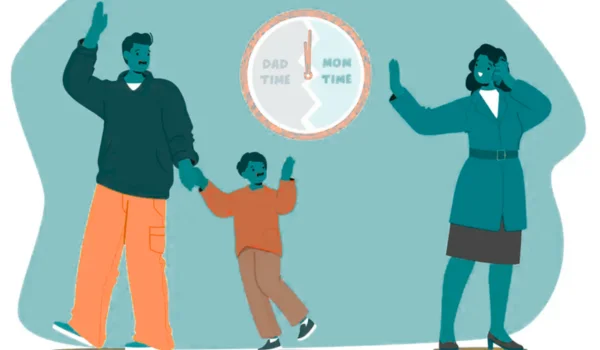
Joint custody usually comes in two forms:
- Joint Legal Custody
Joint legal custody means both parents share decision-making power for major issues in the child’s life.
These decisions may include:
- Education choices
- Medical care
- Religious upbringing
- Major life decisions
Even if a child lives primarily with one parent, both parents may still have joint legal custody.
- Joint Physical Custody
Joint physical custody means the child spends significant time living with both parents.
This could look like:
- Alternating weeks
- A 50/50 schedule
- A 60/40 split
- Extended weekends with one parent
However, joint physical custody does not automatically mean equal parenting time.
What Is Child Support?
Child support is money paid by one parent to the other to help cover the costs of raising a child.
Courts see child support as the child’s right, not the parent’s. The purpose is to make sure the child maintains a reasonable quality of life after a separation or divorce.
Child support typically helps cover:
- Food
- Housing
- Clothing
- School expenses
- Medical care
- Childcare
Even when both parents share custody, financial responsibilities may not be equal, which is why child support can still apply.
Does Joint Custody Mean No Child Support?
A very common misconception is that 50/50 custody eliminates child support.
In reality, courts often still order child support in joint custody cases.
Why?
Because the court looks at two key factors:
- Each parent’s income
- The amount of time the child spends with each parent
If one parent earns significantly more money than the other, the court may order that parent to pay child support to balance the child’s living conditions.
For example:
- Parent A earns $120,000 per year
- Parent B earns $40,000 per year
- Custody is split 50/50
Even with equal parenting time, Parent A may still pay support so the child experiences similar financial stability in both homes.
How Courts Calculate Child Support in Joint Custody
Each state has its own formula for calculating child support, but most follow similar principles.
The court typically looks at:
- Parent Income
The court reviews each parent’s gross income, which may include:
- Salary or wages
- Bonuses
- Self-employment income
- Rental income
- Investment income
- Parenting Time
The number of overnights the child spends with each parent matters.
Generally:
- More parenting time can reduce support
- Less parenting time may increase support
- Child Expenses
Courts also consider additional costs, such as:
- Health insurance
- Daycare
- School tuition
- Special medical needs
These costs may be split between parents depending on income levels.
Example of Joint Custody Child Support
Let’s look at a simple example.
Parent A
- Income: $90,000
- Parenting time: 50%
Parent B
- Income: $45,000
- Parenting time: 50%
Even though the time split is equal, Parent A earns twice as much.
The court may order Parent A to pay a monthly child support amount to Parent B to help maintain similar living conditions for the child.
This ensures the child does not experience financial hardship in one home and comfort in the other.
When Child Support May Be Lower in Joint Custody
Joint custody can reduce child support in certain situations.
Examples include:
- Parents have similar incomes
- Parenting time is close to equal
- Both parents share expenses directly
In these cases, courts may order:
- Reduced child support
- Minimal support
- Or sometimes no support at all
However, this depends on the specific laws of the state and the financial situation of both parents.
Can Parents Agree on Their Own Child Support Terms?
Yes. Many parents create their own parenting plan and support agreement.
However, the agreement must usually be approved by a family court judge.
Courts will only approve the agreement if it:
- Protects the child’s financial needs
- Is fair to both parents
- Follows state child support guidelines
If the agreement does not meet these standards, the judge may modify or reject it.
Modifying Child Support in Joint Custody
Child support orders are not always permanent. They can be modified if circumstances change.
Common reasons for modification include:
- A parent losing their job
- A significant increase in income
- A change in custody schedule
- Medical issues involving the child
- Relocation of a parent
For example, if a 50/50 custody schedule changes to 70/30, the court may adjust child support accordingly.
Parents must usually file a formal request with the court to change the order.
What Happens If a Parent Refuses to Pay?
Failure to pay child support can lead to serious legal consequences.
Courts may enforce payments through:
- Wage garnishment
- Tax refund interception
- Suspension of driver’s licenses
- Property liens
- Contempt of court charges
In extreme cases, non-payment may even result in jail time.
Because child support is considered the child’s legal right, courts take enforcement very seriously.
Tips for Parents Navigating Joint Custody and Child Support
If you are dealing with joint custody and child support, these tips can help make the process smoother.
- Keep clear financial records
Document income, expenses, and child-related costs. - Focus on the child’s best interests
Courts prioritize what benefits the child most. - Communicate respectfully with the other parent
Co-parenting works best when parents cooperate. - Follow court orders carefully
Ignoring support obligations can create serious legal problems. - Consider mediation
Many custody and support disputes can be resolved without going to trial.
Final Thoughts
Joint custody allows both parents to remain actively involved in their child’s life, which is often the best outcome for children after a separation. However, sharing custody does not always eliminate child support obligations.
Courts look closely at income levels, parenting time, and the child’s financial needs when determining support. The goal is always to ensure the child enjoys stable and fair living conditions in both households.
For parents, understanding how joint custody and child support work can reduce confusion and conflict, helping families move forward in a healthier and more cooperative way.