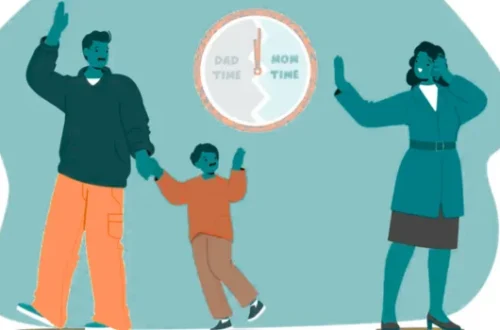
Child custody orders are designed to provide stability for children after a divorce or separation. However, life rarely stays the same. Parents change jobs, move to new cities, remarry, or face unexpected challenges. When circumstances change significantly, the original custody order may no longer work for the child or the parents.
This is where child custody modification attorneys can help. These legal professionals assist parents in changing existing custody agreements through the court system.
In this guide, we’ll explain what custody modification attorneys do, when you might need one, and how they can help protect your child’s best interests.
What Is a Child Custody Modification?

A child custody modification is a legal change to an existing custody order issued by a family court.
When a judge first decides custody, the order becomes legally binding. That means both parents must follow it unless the court approves a change.
However, courts understand that situations evolve. If there is a major change in circumstances, a parent can ask the court to update the custody arrangement.
Common changes include:
- Adjusting parenting schedules
- Changing primary custody
- Updating visitation rules
- Addressing safety concerns for the child
A custody modification must usually be approved by a judge to become legally valid.
Who Are Child Custody Modification Attorneys?
Child custody modification attorneys are family law lawyers who focus on helping parents change existing custody arrangements.
These attorneys handle legal tasks such as:
- Reviewing current custody orders
- Filing modification requests with the court
- Gathering evidence to support the change
- Representing parents during hearings
- Negotiating new parenting agreements
Their main goal is to help the court understand why a change in custody is necessary and how it benefits the child.
When Do Parents Need a Custody Modification?
Courts generally will not change custody orders without a valid reason. Parents must show that a significant change in circumstances has occurred since the original order.
Some common situations include:
- A Parent Moves to Another City or State
Relocation can affect school schedules, visitation plans, and travel time.
If one parent plans to move far away, the custody arrangement may need to be adjusted.
- Changes in a Parent’s Work Schedule
A new job or work hours may make the current custody schedule difficult to follow.
For example:
- Night shifts
- Long-distance commuting
- Frequent travel
In such cases, the parenting plan may need to be updated.
- Concerns About the Child’s Safety
If a child’s safety is at risk, the court may consider changing custody.
Examples may include:
- Domestic violence
- Substance abuse
- Neglect
- Unsafe living conditions
Courts take these concerns very seriously.
- The Child’s Needs Have Changed
As children grow older, their needs change.
A schedule that worked for a toddler may not work for a teenager with school activities, sports, and social commitments.
- One Parent Is Not Following the Court Order
If a parent repeatedly violates custody or visitation rules, the other parent may request a modification.
This can include:
- Denying visitation
- Frequently arriving late
- Refusing to return the child on time
Courts may modify custody to reduce ongoing conflict.
How Custody Modification Attorneys Help Parents
A custody modification case can be legally complex. Attorneys guide parents through the process and help present a strong case to the court.
Here are some ways they assist.
Evaluating Whether a Modification Is Possible
Not every situation qualifies for a custody change. An attorney can review the facts and explain whether the court is likely to approve a modification.
Filing the Legal Paperwork
Custody modifications require specific legal documents to be filed with the court.
Attorneys make sure paperwork is:
- Accurate
- Complete
- Submitted on time
Mistakes in filing can delay the case or even cause it to be dismissed.
Collecting Evidence
Courts require proof that a modification is necessary.
An attorney may help gather:
- School records
- Medical reports
- Witness statements
- Police reports
- Communication records between parents
This evidence helps support the request for change.
Negotiating With the Other Parent
Not all custody modification cases go to trial.
Attorneys often negotiate with the other parent’s lawyer to create a new parenting plan that works for everyone.
If both parents agree, the process may become much faster and less stressful.
Representing Parents in Court
If an agreement cannot be reached, the case may go before a judge.
A custody modification attorney will:
- Present arguments
- Question witnesses
- Provide evidence
- Explain how the change benefits the child
Their job is to clearly demonstrate why the court should approve the modification.
What Courts Consider in Custody Modification Cases
Family courts focus on one primary standard: the best interests of the child.
When deciding whether to change custody, judges may consider factors such as:
- The child’s emotional and physical well-being
- The relationship between the child and each parent
- The stability of each parent’s home environment
- The child’s education and social life
- Any history of abuse or neglect
Older children may sometimes be allowed to express their preferences, although the final decision still belongs to the judge.
Can Parents Modify Custody Without Attorneys?
In some cases, parents may modify custody without hiring lawyers.
This usually works when:
- Both parents fully agree on the new arrangement
- The change is relatively simple
- There are no major conflicts between the parents
However, even in these situations, the new agreement must still be approved by the court to become legally enforceable.
Many parents still choose to work with an attorney to avoid legal mistakes.
How Long Custody Modification Cases Take
The timeline for custody modification varies depending on several factors, including:
- The complexity of the case
- Whether parents agree or disagree
- The court’s schedule
- The amount of evidence involved
Some cases may be resolved within a few months, while others may take longer if disputes continue.
Tips for Parents Considering Custody Modification
If you believe your custody order needs to change, the following tips may help.
Document everything
Keep records of important events, communication with the other parent, and issues affecting the child.
Focus on the child’s well-being
Courts respond best when parents clearly show how the modification benefits the child.
Avoid emotional arguments
Judges prefer facts and evidence rather than personal conflicts.
Follow the current court order
Until the court approves a modification, the existing order remains legally binding.
Final Thoughts
Child custody arrangements are meant to provide stability, but life circumstances can change over time. When that happens, child custody modification attorneys help parents navigate the legal process of updating custody agreements.
These attorneys guide families through paperwork, negotiations, and court hearings while focusing on the most important goal—ensuring the child’s well-being and stability.
If your current custody order no longer reflects your family’s situation, speaking with a qualified custody modification attorney can help you understand your options and move forward with confidence.