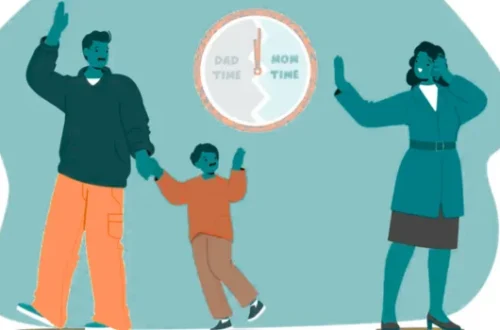
When parents separate or divorce, one of the most common questions they ask is: “If we have joint custody, who pays child support?”
Many people assume that if both parents share custody, then no one has to pay child support. But in reality, that’s usually not how courts handle it.
In the United States, family courts focus on what is best for the child, not just on how parenting time is divided. Even in joint custody situations, one parent may still be required to pay child support.
This article explains how courts decide who pays child support in joint custody, what factors matter most, and what parents should expect.
Understanding Joint Custody

Before discussing child support, it’s important to understand what joint custody actually means.
Joint custody generally refers to a situation where both parents share responsibilities for raising their child after separation or divorce.
There are two main types of joint custody.
Joint Legal Custody
Joint legal custody means both parents share the right to make important decisions about the child’s life.
These decisions may involve:
- Education
- Healthcare
- Religious upbringing
- Extracurricular activities
Even if a child lives mostly with one parent, both parents can still share legal custody.
Joint Physical Custody
Joint physical custody means the child spends significant time living with both parents.
This does not always mean a perfect 50/50 split. Some common schedules include:
- Alternating weeks
- Two weeks with one parent and two with the other
- Weekdays with one parent and weekends with the other
The exact schedule varies depending on what works best for the child and the parents.
Does Joint Custody Mean No Child Support?
The short answer is no.
Even when parents share custody, courts may still order one parent to pay child support.
Why? Because child support is designed to make sure the child’s financial needs are met in both households.
If one parent earns much more money than the other, the court may require that parent to contribute financially—even if parenting time is equal.
The Parent With Higher Income Usually Pays
In many joint custody cases, the parent who earns more money pays child support.
Family courts want children to experience similar living conditions in both homes.
For example:
Parent A earns $100,000 per year.
Parent B earns $40,000 per year.
Even if the child spends equal time with both parents, Parent A may still be required to pay child support so the child can maintain a stable lifestyle in both households.
The goal is not to punish the higher-earning parent. Instead, it helps ensure the child’s needs are consistently met.
Parenting Time Also Matters
Another important factor is how much time the child spends with each parent.
The number of overnights a child spends in each home often affects child support calculations.
Generally speaking:
- The parent with less parenting time may receive child support.
- The parent with more parenting time may receive financial help.
However, income differences can still affect the final result.
For example:
If custody is split 60/40 and the parent with 40% time earns significantly less, the other parent may still pay support.
How Courts Calculate Child Support
Each state has its own formula for calculating child support, but the basic process is similar across the country.
Courts usually consider several factors.
Parent Income
Judges look at each parent’s gross income, which may include:
- Salary or wages
- Bonuses or commissions
- Self-employment income
- Rental income
- Investment earnings
The court uses this information to determine each parent’s financial ability to support the child.
Parenting Schedule
The custody schedule affects child support because raising a child costs money in each household.
Parents who have the child more often usually spend more on:
- Food
- Housing
- Transportation
- Daily care
This can influence how much support is ordered.
Child-Related Expenses
Courts also consider additional expenses, such as:
- Health insurance
- Daycare
- School tuition
- Medical needs
- Special education services
These costs may be divided between the parents based on income.
Example of Child Support in Joint Custody
Let’s look at a simple example.
Parent A
- Income: $85,000 per year
- Parenting time: 50%
Parent B
- Income: $50,000 per year
- Parenting time: 50%
Even though custody is equal, the court may order Parent A to pay some child support to Parent B.
This helps ensure the child can maintain similar living standards in both homes.
Situations Where No One Pays Child Support
In some joint custody cases, child support may be very low or not required at all.
This can happen when:
- Both parents earn similar incomes
- Parenting time is close to equal
- Both parents share expenses directly
For example, if both parents earn around $70,000 and split custody 50/50, the court may decide that each parent can cover their own costs.
However, every situation is different.
Can Parents Decide Child Support Themselves?
Yes, parents can often reach their own child support agreement.
Many families choose to negotiate support terms through:
- Mediation
- Collaborative divorce
- Private agreements
However, the agreement must usually be approved by a family court judge.
The judge’s main responsibility is to make sure the agreement:
- Protects the child’s financial needs
- Is fair to both parents
- Follows state child support guidelines
If the judge believes the agreement does not serve the child’s best interests, it may be modified.
What Happens If Financial Situations Change?
Child support orders can be modified if circumstances change significantly.
Common reasons include:
- A parent losing their job
- A large increase in income
- A change in custody schedule
- Medical expenses for the child
- A parent moving to another state
When this happens, a parent can ask the court to recalculate child support.
What If a Parent Refuses to Pay?
Failing to pay child support can lead to serious consequences.
Courts have several tools to enforce payment, including:
- Wage garnishment
- Seizing tax refunds
- Suspending driver’s licenses
- Property liens
- Contempt of court charges
Because child support is considered a legal obligation to the child, courts enforce these orders strictly.
Tips for Parents in Joint Custody Situations
If you are navigating joint custody and child support, consider these tips.
Keep financial records organized
Track child-related expenses and income changes.
Focus on cooperation
A positive co-parenting relationship benefits the child.
Understand your state’s guidelines
Each state has different child support formulas.
Consider mediation if disputes arise
Many custody disagreements can be resolved without court battles.
Final Thoughts
In joint custody arrangements, child support is not automatically eliminated. Courts look carefully at both parents’ financial situations and the child’s needs before deciding who pays.
In many cases, the higher-earning parent pays support, even if parenting time is shared equally. The main goal is always to ensure the child enjoys financial stability in both homes.
Understanding how child support works in joint custody can help parents avoid confusion, reduce conflict, and focus on what matters most—providing a healthy and supportive environment for their child.