The Archdiocese of New York has agreed to an $800 million settlement intended to resolve approximately 1,300 sexual abuse claims involving clergy members and other church personnel. The proposed deal marks a significant step toward resolving years of legal disputes brought by survivors who alleged abuse within the Catholic institution.
The agreement was reported on October 24, following negotiations involving the archdiocese and attorneys representing the claimants. However, the parties had not yet formally signed the settlement at the time of the announcement, meaning the agreement’s finalization remained an important next step.
The settlement could rank among the largest sexual abuse compensation agreements involving a Catholic archdiocese in the United States. It also highlights the financial and institutional consequences of lawsuits stemming from allegations of historical abuse.
A Major Settlement After Years of Legal Disputes
The proposed $800 million agreement covers approximately 1,300 claims brought by people who alleged they were sexually abused by clergy members or other personnel associated with the Archdiocese of New York.
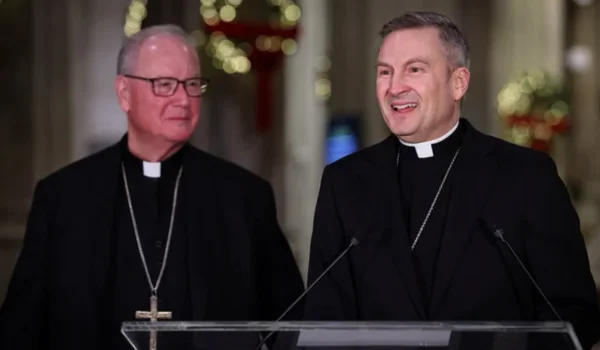
Jeff Anderson, an attorney representing survivors, said the claimants had agreed to the settlement. Archbishop Ronald Hicks also acknowledged the development in a message to clergy, expressing hope that the agreement would help survivors move toward healing.
The civil claims reflect allegations involving abuse over an extended period. A negotiated settlement can provide compensation without requiring every individual claim to proceed through a full trial. It should not, however, be interpreted as a criminal conviction or a judicial finding that every allegation has been proven.
For survivors, the agreement follows years of legal action and efforts to secure recognition and financial compensation for the harm they say they experienced.
How New York’s Child Victims Act Opened the Door to Lawsuits
New York’s Child Victims Act, enacted in 2019, played an important role in enabling many survivors to pursue legal action.
Before the law changed, statutes of limitations prevented some people from filing civil claims because too much time had passed since the alleged abuse. The legislation expanded the time available to bring certain claims and established a temporary lookback window that allowed eligible survivors to file lawsuits that had previously been time-barred.
The change led to a substantial increase in litigation against institutions accused of failing to prevent abuse or adequately respond to allegations. Religious organizations, schools and other institutions faced claims from people who had waited years or decades before seeking legal remedies.
The New York Archdiocese settlement is part of this broader legal reckoning, which has placed renewed attention on institutional responsibility, survivor compensation and transparency.
The Financial Impact on the Catholic Church
An $800 million settlement represents a substantial financial commitment for the archdiocese.
In December 2025, the institution agreed to mediation involving approximately 1,300 abuse claims. It also announced cost-cutting efforts and plans to sell certain Manhattan properties as it worked to raise funds for compensation. An initial fundraising target of $300 million was reported at the time.
The newly announced agreement is significantly larger than that earlier target, demonstrating the scale of the financial challenge facing the institution.
Large settlements can require religious organizations to review their assets, operating expenses, insurance arrangements and fundraising plans. The final effect on the archdiocese’s finances will depend on the settlement’s terms and how the payments are funded.
The archdiocese serves Catholic communities across New York City and surrounding counties and supports religious, educational and charitable activities. Its financial decisions may therefore affect more than its legal department alone.
How the New York Deal Compares With Other Settlements
The proposed agreement comes amid a series of major sexual abuse settlements involving Catholic institutions across the country.
The Archdiocese of Los Angeles agreed in 2024 to an $880 million settlement involving approximately 1,000 survivors. The Archdiocese of San Francisco agreed to a $395 million settlement in June 2026 involving approximately 500 claims.
These agreements illustrate the substantial financial consequences religious institutions can face when large numbers of survivors pursue civil litigation over alleged historical abuse.
New York’s proposed $800 million deal would be among the largest of these settlements. Comparisons should nevertheless be made carefully because the number of claimants, scope of claims, payment arrangements and legal circumstances vary from one case to another.
Archbishop Ronald Hicks Addresses the Agreement
Archbishop Ronald Hicks communicated the development to clergy in an email dated October 24.
He expressed hope that the settlement would support healing and reconciliation for survivors while allowing the archdiocese to concentrate on its religious and community responsibilities.
The agreement is a significant development for the institution, but its importance extends beyond financial considerations. Survivors and their representatives have continued to stress the need for accountability and meaningful responses to allegations of abuse.
Although monetary compensation can help address some of the consequences of abuse, it cannot undo the experiences described by survivors. The settlement’s long-term significance will depend in part on how the institution implements its obligations and responds to continuing concerns about transparency.
What Happens Before the Settlement Is Final?
At the time of the initial announcement, the agreement had not yet been formally signed.
Reports indicated that the parties expected to sign the documents during the week of November 6, 2026. Until the required paperwork is completed, the deal should be described as an agreement reached rather than a fully executed settlement.
Once finalized, the implementation process will determine how eligible claimants receive compensation and how any additional obligations are carried out.
The final terms will be important in understanding the payment schedule, eligibility procedures and other commitments made by the parties. Those details should not be assumed before they are confirmed by the relevant documents or official announcements.
A Wider Debate Over Institutional Accountability
The New York agreement is part of a continuing national debate over how religious institutions should respond to allegations of historical sexual abuse.
Survivors and their attorneys have sought compensation, disclosure and accountability. Institutions, meanwhile, have had to address litigation, financial liabilities and questions about how earlier allegations were handled.
Civil settlements can resolve disputes and provide compensation, but they do not necessarily answer every question about what happened or how institutions responded at the time.
The outcome in New York may therefore be viewed both as a major legal development and as another example of the continuing efforts to address the long-term consequences of alleged abuse within religious organizations.
Conclusion
The Archdiocese of New York’s proposed $800 million settlement could resolve approximately 1,300 sexual abuse claims after years of legal disputes. The agreement represents a significant step for survivors seeking compensation and for an institution confronting substantial legal and financial obligations.
However, formal signatures were still pending when the deal was announced on October 24, 2026. The next stage will be to finalize the agreement and carry out its terms.
The case also reinforces the broader importance of survivor support, institutional accountability and transparency as religious organizations continue to address allegations of historical abuse.