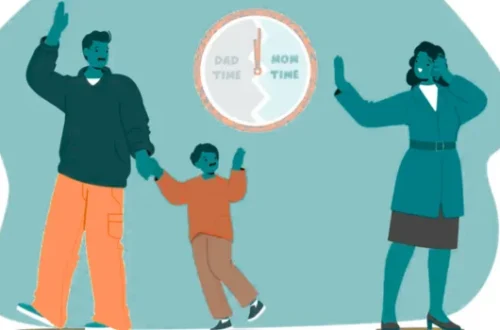
When parents separate or divorce, one of the biggest concerns is deciding who will care for the children and how parenting responsibilities will be shared. Many people assume they must go through a long and stressful court battle to resolve custody issues. However, that is not always the case.
In many situations, parents can create a child custody agreement without going to court. When both parents cooperate and focus on the child’s needs, it is often possible to develop a parenting plan together without a judge making the decisions.
This guide explains how child custody agreements without court work, when they are possible, and what parents should know to make the arrangement successful.
What Is a Child Custody Agreement Without Court?

A child custody agreement without court is a parenting arrangement created by the parents themselves rather than ordered by a judge.
Instead of asking a court to decide custody, the parents work together to determine:
- Where the child will live
- How parenting time will be shared
- How major decisions about the child will be made
In the United States, custody decisions are usually handled through family courts. But when parents agree on the terms, they can often create their own parenting plan without going through a full court trial.
Why Some Parents Prefer Custody Agreements Without Court
Many parents try to avoid court involvement if possible because court cases can be stressful, expensive, and time-consuming.
Here are some common reasons parents choose this approach.
Less Stress for Children
Court battles can create tension between parents, which children often notice. When parents cooperate and reach an agreement peacefully, it can reduce emotional stress for the child.
Faster Resolution
Court cases may take months or even years to resolve. A private agreement can sometimes be reached much more quickly.
Lower Legal Costs
Family law cases can be expensive, especially if both parents hire attorneys and attend multiple hearings. Negotiating an agreement outside of court may reduce these costs.
More Flexibility
When parents design their own parenting plan, they have more control over the details. Courts usually apply standard guidelines, but parents can create arrangements that better fit their schedules and the child’s needs.
What Should Be Included in a Custody Agreement?
Even when parents agree on custody, it is important to create a clear and detailed parenting plan.
A strong custody agreement should address several key areas.
Physical Custody
Physical custody refers to where the child will live.
Parents may agree to arrangements such as:
- One parent having primary custody
- Equal or 50/50 parenting time
- A schedule where the child spends certain days with each parent
The agreement should clearly describe the child’s weekly schedule.
Legal Custody
Legal custody refers to who makes important decisions about the child’s life.
These decisions may involve:
- Education
- Medical care
- Religious upbringing
- Major activities
Parents often share legal custody, meaning both parents participate in major decisions.
Visitation Schedule
The agreement should outline parenting time in detail, including:
- Weekday schedules
- Weekend arrangements
- Holidays
- School vacations
- Birthdays and special occasions
Clear schedules help avoid misunderstandings later.
Communication With the Child
The agreement may also include rules about communication when the child is with the other parent, such as:
- Phone calls
- Video chats
- Text messaging
This helps maintain strong relationships between the child and both parents.
Transportation and Exchanges
Parents should also decide:
- Who will pick up and drop off the child
- Where exchanges will take place
- What happens if someone is running late
These small details can prevent future conflicts.
Is a Custody Agreement Without Court Legally Binding?
Parents can create a custody agreement privately, but it is usually recommended to have the agreement approved by a family court.
Court approval turns the agreement into a legally enforceable order.
Without court approval:
- The agreement may not be legally enforceable
- One parent could change the terms at any time
- It may be difficult to resolve disputes later
Many parents write their agreement together and then submit it to a court for formal approval.
Using Mediation to Create a Custody Agreement
Parents who want to avoid court often use mediation.
Mediation is a process where a neutral professional helps parents discuss custody issues and reach an agreement.
The mediator does not make decisions but helps guide the conversation and keep discussions productive.
Mediation can help parents:
- Improve communication
- Resolve disagreements peacefully
- Focus on the child’s best interests
Many family courts even encourage or require mediation before custody hearings.
Situations Where Court May Still Be Necessary
Although private agreements work well for many families, there are situations where court involvement is necessary.
For example:
- One parent refuses to cooperate
- There are safety concerns involving the child
- Domestic violence is involved
- Parents strongly disagree about custody
In these cases, a judge may need to step in to protect the child’s well-being and make the final decision.
Tips for Creating a Successful Custody Agreement
If parents want to create a custody agreement without court, a few strategies can help make the process smoother.
Focus on the Child’s Needs
The most successful agreements prioritize the child’s emotional and physical well-being rather than the parents’ personal disagreements.
Be Flexible
Children’s schedules change as they grow older. A flexible approach can make it easier to adjust arrangements over time.
Communicate Clearly
Open and respectful communication helps prevent misunderstandings and reduces future conflict.
Put Everything in Writing
Even if parents have a good relationship, it is important to document the agreement clearly. Written plans help ensure everyone understands the expectations.
Consider Professional Help
Family law attorneys or mediators can help parents create a fair and legally sound agreement.
What Happens If Parents Disagree Later?
Even well-planned custody agreements may need adjustments in the future.
Common reasons for changes include:
- A parent relocating
- Changes in work schedules
- The child’s evolving needs
- Conflicts between parents
If disagreements arise and parents cannot resolve them privately, they may need to ask a court to review or modify the agreement.
Final Thoughts
A child custody agreement without court can be a practical and peaceful way for parents to decide how they will raise their child after separation. When both parents are willing to cooperate and communicate openly, they can often create a parenting plan that works well for everyone involved.
While court approval is usually recommended to make the agreement legally enforceable, reaching an agreement outside of court can save time, reduce stress, and help parents maintain a healthier co-parenting relationship.
Most importantly, these agreements allow parents to focus on what truly matters—providing a stable, supportive environment where their child can grow and thrive.