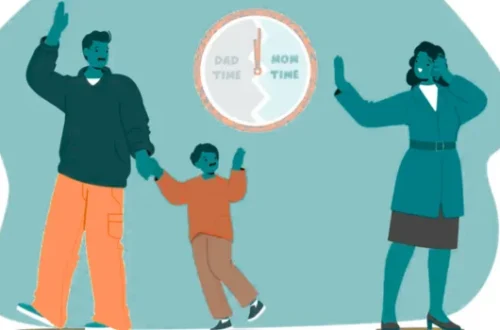
Child custody orders are meant to provide stability for children after a divorce or separation. However, life circumstances often change. A parent may move, a job schedule may shift, or a child’s needs may evolve over time. When these kinds of changes happen, the original custody arrangement may no longer work well for everyone involved.
In the state of Oregon, parents can ask the court to update or change a custody order if there are valid reasons to do so. This process is called a child custody modification.
This guide explains the grounds for child custody modification in Oregon, how the courts evaluate these requests, and what parents should know before filing for a change.
What Is a Child Custody Modification?
A custody modification is a legal request asking the court to change an existing custody order.
When a judge first decides custody, the order becomes legally binding. Both parents must follow it unless the court approves a change. However, if circumstances change significantly after the original order, a parent may file a request to modify the custody arrangement.
In Oregon, the court will only approve a change if:
- There has been a substantial change in circumstances, and
- The modification is in the best interests of the child
Both of these factors are important for the court’s decision.
What Does “Substantial Change in Circumstances” Mean?
A substantial change in circumstances refers to a major development that affects the child’s well-being or the parents’ ability to follow the current custody plan.
Courts generally will not change custody simply because one parent is unhappy with the arrangement. There must be a meaningful change that justifies modifying the order.
Let’s look at some common grounds for custody modification in Oregon.
- A Parent Relocates or Moves Far Away
Relocation is one of the most common reasons parents request a custody modification.
If a parent plans to move to a different city or state, it can affect:
- The child’s school schedule
- Travel time between homes
- The other parent’s visitation rights
For example, if a parent moves several hours away, the existing parenting schedule may no longer be practical. The court may modify custody or visitation to reflect the new living situation
- Concerns About the Child’s Safety or Well-Being
Courts take child safety very seriously. If new issues arise that affect the child’s well-being, a custody modification may be necessary.
Possible concerns include:
- Domestic violence
- Substance abuse
- Neglect or unsafe living conditions
- Exposure to criminal activity
If evidence shows the child may be at risk, the court may change custody to protect the child.
- A Parent Is Not Following the Custody Order
Sometimes a parent repeatedly violates the custody agreement.
Examples may include:
- Refusing to allow scheduled visitation
- Frequently returning the child late
- Ignoring parenting plan rules
- Interfering with the child’s relationship with the other parent
When violations happen regularly, the court may modify the custody arrangement to prevent ongoing conflict.
- Major Changes in a Parent’s Work Schedule
A significant change in a parent’s job or work schedule may also justify a modification.
For example:
- Switching from day shifts to overnight work
- Working long-distance or traveling frequently
- Losing a job and facing financial difficulties
If these changes make it difficult to follow the current custody plan, the court may approve a new arrangement that better fits the parent’s availability.
- The Child’s Needs Have Changed
As children grow older, their needs often change.
A custody schedule that worked for a toddler may not work well for a teenager who has:
- School activities
- Sports commitments
- Social events
- Academic responsibilities
If the child’s schedule has significantly changed, the court may adjust the parenting plan to support their development and well-being.
- A Parent Becomes Unable to Care for the Child
If a parent becomes unable to provide proper care due to illness, injury, or other personal difficulties, custody may need to change.
Examples might include:
- Serious health problems
- Mental health challenges
- Long-term hospitalization
In these cases, the court may modify custody to ensure the child has a stable and supportive home environment.
The “Best Interests of the Child” Standard
Even if a parent proves there has been a substantial change in circumstances, the court still must determine whether modifying custody is in the best interests of the child.
Oregon courts typically consider factors such as:
- The emotional bond between the child and each parent
- Each parent’s ability to provide a stable home
- The child’s safety and well-being
- The child’s adjustment to school and community
- Each parent’s willingness to support the child’s relationship with the other parent
The court’s main goal is always to ensure the child grows up in a safe, supportive, and stable environment.
Can Children Express Their Preferences?
In some cases, older children may express their opinions about custody arrangements.
However, the court does not automatically follow the child’s preference. Instead, the judge considers:
- The child’s maturity level
- The reasons behind their preference
- Whether the preference aligns with the child’s best interests
The final decision always rests with the court.
The Process for Modifying Custody in Oregon
Parents seeking a custody change in Oregon typically follow several steps.
Step 1: File a Motion With the Court
A parent must file a formal request asking the court to modify the custody order.
Step 2: Provide Evidence
The parent requesting the change must show that:
- A substantial change has occurred
- The modification benefits the child
Evidence may include school records, witness statements, or other documentation.
Step 3: Court Review or Hearing
If parents cannot agree on the modification, the case may go before a judge who will review the evidence and make a decision.
Can Parents Agree to Modify Custody?
Yes. Parents can work together to create a new parenting plan if both agree that changes are necessary.
However, the updated agreement must still be approved by the court to become legally enforceable.
Court approval ensures the new arrangement protects the child’s best interests.
Final Thoughts
Child custody arrangements are designed to create stability for children, but life circumstances can change over time. In Oregon, courts allow parents to request custody modifications when there is a substantial change in circumstances that affects the child’s well-being.
Common grounds for modification include relocation, safety concerns, schedule changes, and evolving needs as children grow. However, the court’s final decision will always focus on one key principle: what is best for the child.
Parents considering a custody modification should carefully evaluate their situation and gather strong evidence before filing a request. With the right approach, custody changes can help ensure children continue to grow up in a stable and supportive environment.