When most people hear the words forensic science, they immediately think of crime scene shows, detectives collecting fingerprints, DNA testing, and dramatic courtroom confessions. Television has strongly connected forensic science with murder trials and criminal investigations.
But here’s an important question:
Does forensic science apply only to criminal law?
The short answer is no. While forensic science plays a major role in criminal cases, it is not limited to them. It also applies in civil cases, family law matters, corporate disputes, and even administrative proceedings.
In this detailed guide, we’ll break this topic down in simple language so both everyday readers and legal professionals can clearly understand how forensic science truly works within the U.S. legal system.
What Is Forensic Science?
Let’s start with the basics.
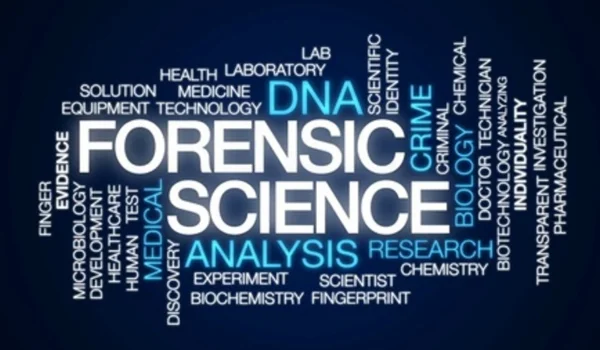
Forensic science simply means applying scientific methods and techniques to legal matters. The word “forensic” comes from the Latin term forensis, meaning “before the forum,” or in simple terms, before a court.
So forensic science is not just about crime scenes. It is about using science to help courts make informed decisions.
Common forensic fields include:
- DNA analysis
- Fingerprint examination
- Toxicology (testing for drugs or poisons)
- Ballistics (firearm analysis)
- Digital forensics (analyzing computers and phones)
- Forensic accounting
- Forensic pathology
- Handwriting analysis
While many of these are heavily used in criminal law, they are not limited to criminal cases
Why People Think Forensic Science Is Only for Criminal Law
There are two main reasons for this common belief:
- Media Influence
Crime shows, documentaries, and news reports focus heavily on forensic breakthroughs in murder and assault cases.
- Criminal Courts Use It Frequently
Prosecutors often rely on forensic evidence to prove guilt beyond a reasonable doubt. Because of this high visibility, people assume that forensic science belongs only to criminal law.
But that assumption is incomplete.
How Forensic Science Applies in Criminal Law
Let’s first understand its role in criminal law.
In criminal cases, the government must prove that a defendant committed a crime. Forensic evidence often plays a critical role in:
- Identifying suspects through DNA
- Matching fingerprints to crime scenes
- Determining cause of death
- Establishing timelines
- Linking weapons to bullets
- Proving intoxication in DUI cases
- Recovering deleted digital messages
For example:
- A DNA match can connect a suspect to a burglary.
- A toxicology report can show whether a driver was under the influence.
- Ballistics testing can match a firearm to a shooting.
Because criminal cases require proof beyond a reasonable doubt, forensic science becomes extremely powerful.
But it doesn’t stop there.
How Forensic Science Applies in Civil Law
Civil law deals with disputes between individuals or businesses. These cases usually involve money, property, or rights — not jail time.
Here’s where forensic science also plays a big role:
- Forensic Accounting
In business disputes, divorce cases, or fraud claims, forensic accountants examine financial records to uncover:
- Hidden assets
- Embezzlement
- Fraudulent transfers
- Income manipulation
In divorce cases, one spouse may claim the other is hiding money. A forensic accountant can analyze bank records and tax returns to uncover the truth.
That’s forensic science — but not criminal law.
- Personal Injury and Medical Cases
In wrongful death or injury lawsuits, forensic pathologists and medical experts determine:
- Cause of death
- Whether negligence occurred
- If medical malpractice was involved
For example, in a wrongful death lawsuit, forensic experts may testify about how an accident caused fatal injuries.
Again, this is civil litigation — not criminal prosecution.
- Digital Forensics in Civil Disputes
Digital forensics is increasingly important in:
- Employment disputes
- Corporate litigation
- Trade secret theft
- Intellectual property cases
Experts can recover deleted emails, track file transfers, and determine whether confidential information was stolen.
These are civil matters, not criminal charges.
- Family Law Cases
Forensic science even plays a role in family courts:
- DNA testing in paternity cases
- Psychological evaluations in custody disputes
- Financial investigations during divorce
For example, a DNA test may determine legal parenthood in a child support case.
This has nothing to do with criminal law.
Administrative and Regulatory Use of Forensics
Forensic science is also used in:
- Workplace investigations
- Government regulatory actions
- Professional licensing disputes
For instance:
- A forensic toxicology test might be used in a workplace drug investigation.
- Digital evidence may be reviewed during a professional misconduct inquiry.
These are not criminal prosecutions — yet forensic science is essential.
The Legal Standard: Criminal vs. Civil Use
One important difference is the standard of proof.
In criminal law:
- The prosecution must prove guilt “beyond a reasonable doubt.”
In civil law:
- The standard is usually “preponderance of the evidence” (more likely than not).
This means forensic evidence may be evaluated differently depending on the case type. But the science itself is still being used in both systems.
Why This Distinction Matters
Understanding that forensic science is not limited to criminal law is important for several reasons:
- Better Legal Strategy
Attorneys in civil cases should not overlook forensic tools that could strengthen their case.
- Public Awareness
Everyday people should know forensic evidence can affect divorce settlements, business disputes, and custody battles.
- Policy and Reform Discussions
Debates about forensic reliability often focus only on criminal justice reform. But errors in forensic science can impact civil cases too.
Challenges and Controversies
Forensic science is powerful, but it is not perfect.
Issues include:
- Lab errors
- Bias in analysis
- Outdated testing methods
- Improper evidence handling
- Overstated expert testimony
In criminal cases, mistakes can lead to wrongful convictions. In civil cases, they can cause unfair financial judgments.
Courts now apply stricter standards for expert testimony (such as the Daubert standard in federal courts), requiring that forensic methods be scientifically reliable.
This applies across both criminal and civil cases.
Real-World Examples Beyond Criminal Law
To make this practical, consider these examples:
- A company sues a former employee for stealing trade secrets. Digital forensic experts analyze laptop data.
- A spouse hides income during divorce. A forensic accountant uncovers offshore transfers.
- A wrongful death lawsuit requires forensic pathology to determine medical negligence.
- An insurance company investigates suspected fraud using forensic document analysis.
None of these are criminal prosecutions — yet forensic science is central.
So, Does Forensic Science Only Apply to Criminal Law?
Absolutely not.
While forensic science is strongly associated with criminal investigations, it is simply the use of science in legal matters. Legal matters include:
- Criminal law
- Civil law
- Family law
- Administrative law
- Corporate litigation
The idea that forensic science applies only to criminal law is a common misunderstanding shaped by media portrayals.
Final Thoughts
Forensic science is one of the most powerful tools in the American legal system. It helps courts uncover facts, clarify disputes, and reach fair decisions.
Yes, it plays a crucial role in criminal prosecutions. But it is equally important in civil lawsuits, business disputes, family law matters, and regulatory investigations.
For everyday individuals, this means forensic evidence could impact far more than criminal charges — it could affect finances, custody rights, business reputation, or insurance claims.
For legal professionals, understanding the broader application of forensic science can strengthen case strategy across multiple practice areas.
In short:
Forensic science does not belong exclusively to criminal law. It belongs wherever science meets the courtroom.
And in today’s legal system, that intersection happens more often than most people realize.