Divorce can bring many uncertainties, and one of the biggest questions people ask is: “Am I eligible for alimony?” In California, alimony—also called spousal support—is meant to help a lower-earning spouse maintain a reasonable standard of living after divorce. But not everyone qualifies, and the rules can be confusing.
This guide explains who qualifies for alimony in California in plain, easy-to-understand language. You’ll learn what factors matter, the different types of support, and how the court decides eligibility—without heavy legal jargon.
What Is Alimony in California?
Alimony is a financial payment from one spouse to the other following a divorce or legal separation. Its purpose is to help a spouse who cannot support themselves fully, either temporarily or long-term.

Alimony can cover:
- Housing costs (mortgage or rent)
- Utilities and household bills
- Health insurance or medical expenses
- Education or career training to become self-supporting
- Everyday living expenses
It’s important to note that alimony is separate from child support, which is specifically for the care of children.
Types of Alimony in California
California law recognizes several types of spousal support, each with different purposes and eligibility criteria:
- Temporary or Pendente Lite Support
- Paid during divorce proceedings
- Ensures the lower-earning spouse can cover expenses while the divorce is pending
- Rehabilitative Alimony
- Most common type of alimony in California
- Paid for a specific period to help the recipient become financially independent
- Often used for education, job training, or career development
- Long-Term or Permanent Alimony
- Rare, usually reserved for long-term marriages
- Paid indefinitely if the recipient cannot become self-sufficient due to age, illness, or disability
- Reimbursement Alimony
- Helps repay a spouse who supported the other’s education or training that increased earning potential
- Typically short-term or one-time payment
Who Qualifies for Alimony in California?
Eligibility for alimony is case-by-case, based on multiple factors. You may qualify if you meet one or more of the following criteria:
- Lower Income or Financial Dependence
- The spouse who earns significantly less or has limited income is more likely to qualify
- Courts assess both current income and earning potential
- Contributions to the Marriage
- Contributions can be financial, like supporting the household
- Non-financial contributions, such as raising children, managing the home, or supporting the other spouse’s career, are also considered
- Length of the Marriage
- Short marriages (under 10 years) often result in temporary or rehabilitative alimony
- Longer marriages may lead to long-term or permanent support
- Age and Health
- Older spouses or those with health issues may qualify for more support
- Courts consider whether a spouse can become self-supporting given age and physical condition
- Standard of Living During Marriage
- Courts aim to maintain a reasonable standard of living similar to what was enjoyed during the marriage
- Alimony helps bridge the gap if one spouse cannot maintain the same lifestyle alone
- Ability to Become Self-Supporting
- If the spouse can reasonably support themselves through work, education, or training, alimony may be limited or temporary
- Evidence of job skills, education, and employment history is considered
- Existing Agreements
- Prenuptial or postnuptial agreements can influence eligibility
- Agreements may limit, modify, or waive alimony, provided they are valid and enforceable
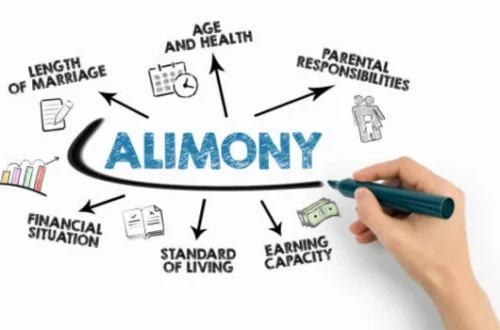
Factors Courts Consider When Awarding Alimony
Even if you meet some criteria, the court considers multiple factors to determine the amount, type, and duration of alimony:
- Length of the marriage
- Income and assets of both spouses
- Age and health
- Earning capacity and career potential
- Contributions to household and family
- Standard of living during marriage
- Any previous agreements between spouses
- Tax implications and financial obligations
The goal is to create a fair arrangement that meets the needs of the lower-earning spouse while avoiding undue hardship for the paying spouse.
How Long Alimony Lasts
The duration depends mainly on the length of the marriage and other circumstances:
- Marriages under 10 years: Temporary or rehabilitative, often half the length of the marriage
- Marriages 10–20 years: Longer-term support, closer to the marriage length
- Marriages over 20 years: May consider long-term or permanent support, especially if the recipient cannot achieve financial independence
Alimony can be modified or terminated if circumstances change, such as income changes, remarriage, or cohabitation.
How to Strengthen Your Case for Alimony
If you believe you qualify for spousal support, consider these steps:
- Gather financial documents – Pay stubs, tax returns, assets, debts
- Document contributions to the marriage – Both financial and non-financial
- Show efforts toward self-sufficiency – Evidence of job search, education, or training
- Track living expenses – Demonstrates actual financial need
- Consult a family law attorney – Legal guidance ensures your rights are protected and can improve outcomes
Common Misconceptions About Alimony
Myth 1: Only women receive alimony
- False. Either spouse may receive support depending on income and financial need.
Myth 2: Alimony is permanent
- False. Most alimony is temporary or rehabilitative; permanent support is rare.
Myth 3: Alimony is automatic
- False. Courts award spousal support on a case-by-case basis.
Myth 4: Alimony cannot be modified
- False. Courts can adjust payments if circumstances change significantly.
Final Thoughts
Alimony exists to support fairness and financial stability after divorce. Not everyone qualifies, but understanding the factors—like income, contributions, length of marriage, and ability to become self-supporting—can help you determine eligibility.
Whether you are seeking alimony or wondering if you must pay, knowing your rights and responsibilities is essential for navigating the process confidently and avoiding surprises.
Quick FAQs
Who qualifies for alimony in California?
Spouses with lower income, limited earning capacity, contributions to the marriage, long-term marriages, or health and age limitations may qualify.
Does the length of marriage matter?
Yes. Short marriages usually result in temporary alimony, while long marriages may lead to long-term support.
Can alimony be waived by agreement?
Yes, valid prenuptial or postnuptial agreements can limit or waive spousal support.
Can alimony be modified?
Yes, significant changes in circumstances, income, or cohabitation can lead to modification.