When a Tree Becomes a Legal Problem
Trees make neighborhoods more beautiful. They provide shade, privacy, and even increase property value. But when a tree sits on or near a property line, it can quickly turn into a serious dispute between neighbors. Arguments often start over falling branches, blocked sunlight, damaged fences, or roots cracking driveways.
A trees on property line dispute is more common than many people realize. The problem usually isn’t the tree itself—it’s confusion about ownership and rights. Many homeowners ask: Who owns the tree? Can I cut it? Who pays if it causes damage?
This article explains how tree-related property line disputes are handled in the United States, using simple, easy-to-understand language so everyday readers know their rights and responsibilities.
What Is a Property Line Tree?
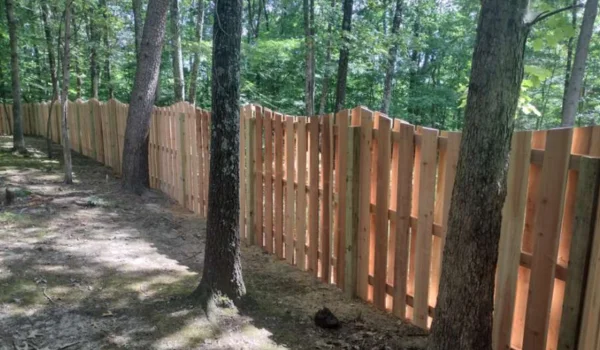
A tree’s legal status depends on where its trunk is located, not where its branches or roots spread.
- Tree fully on one property: Owned by that property owner
- Tree directly on the boundary line: Usually considered jointly owned
- Branches or roots crossing the line: Do not change ownership
The trunk location is the most important factor in tree disputes.
Who Owns a Tree on the Property Line?
When a tree grows directly on the property line, most states treat it as a shared tree. That means:
- Both neighbors have ownership rights
- Neither neighbor can remove or destroy the tree alone
- Major decisions require agreement from both sides
Cutting down a shared tree without permission can lead to legal trouble.
Can You Cut Branches That Hang Over Your Property?
In most states, yes—but with limits.
You can usually:
- Trim branches that cross onto your side
- Cut roots that spread onto your property
However, you cannot:
- Damage the overall health of the tree
- Kill the tree through excessive trimming
- Enter your neighbor’s land without permission
If trimming harms the tree, you could be held responsible.
What About Roots Causing Damage?
Tree roots often cause disputes when they:
- Crack sidewalks or driveways
- Damage foundations
- Interfere with plumbing
In many states:
- You may cut roots on your side
- You may be responsible for repairs on your property
- The tree owner may be liable if negligence is proven
If the tree is dead or clearly dangerous, responsibility may shift.
Who Pays If a Tree Falls?
Responsibility depends on why the tree fell.
If the Tree Falls Due to Natural Causes
If a healthy tree falls during a storm:
- Each property owner usually pays for damage to their own property
- Insurance often covers the loss
If the Tree Was Neglected
If the owner knew the tree was dead or unsafe and did nothing:
- The owner may be responsible for damage
Proof of prior warning is often important.
Can a Neighbor Force You to Remove a Tree?
Generally, no—unless:
- The tree is dead or dangerous
- It violates local safety rules
- It causes serious, ongoing harm
Courts usually prefer trimming or maintenance over full removal.
What Happens If Someone Cuts a Tree Without Permission?
Cutting down a tree that is:
- On a shared property line
- Fully on your neighbor’s land
can result in:
- Fines
- Replacement costs
- Civil lawsuits
- Paying several times the tree’s value (in some states)
Tree laws can be stricter than many people expect.
How Local and State Laws Affect Tree Disputes
Tree laws vary by state and city. Local rules may cover:
- Protected trees
- Required permits
- Heritage or landmark trees
Before cutting or removing a tree, it’s wise to check:
- City ordinances
- Homeowners association (HOA) rules
- State property laws
Ignoring local rules can lead to penalties.
How to Resolve a Tree Property Line Dispute Peacefully
Most tree disputes are best resolved without court. Helpful steps include:
- Talk to your neighbor calmly
- Confirm the property line with a survey
- Hire a certified arborist for a tree health opinion
- Share trimming costs if appropriate
- Put agreements in writing
Clear communication can prevent long-term conflict.
When Legal Action Becomes Necessary
Legal action may be considered when:
- A tree was illegally removed
- Property damage is serious
- One party refuses reasonable solutions
Courts may order:
- Compensation
- Tree replacement
- Boundary clarification
However, lawsuits can be costly and time-consuming.
Why Tree Disputes Can Get Emotional
Trees are often tied to:
- Memories
- Property value
- Privacy and shade
This emotional connection can make disputes feel personal. Understanding the law helps keep discussions factual rather than emotional.
Frequently Asked Questions (FAQ)
Who owns a tree growing exactly on the property line?
Usually, both neighbors share ownership.
Can I trim branches without asking my neighbor?
Yes, as long as trimming does not harm the tree.
Who is responsible if roots damage my driveway?
Often the property owner where the damage occurs, unless negligence is proven.
Can I remove a shared tree by myself?
No. Consent from both owners is usually required.
Do tree disputes go to court often?
Most are resolved through discussion or mediation.
Final Thoughts
Trees on property line disputes are common but manageable. Most problems arise from misunderstanding ownership, rights, and responsibilities. Knowing where the tree stands—literally and legally—can help neighbors avoid unnecessary stress and expense.
With clear communication, proper trimming, and respect for property boundaries, many tree-related conflicts can be resolved peacefully.