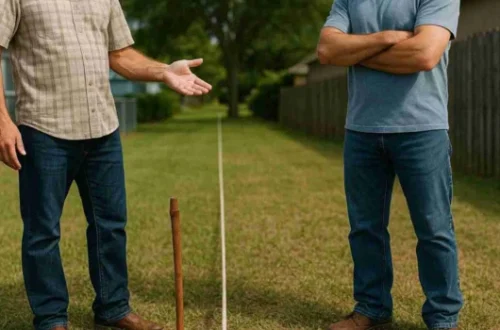
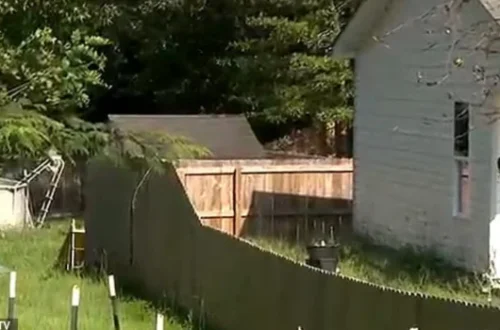
A property line dispute can start with something very small—a fence that looks a few feet off, a new shed built too close to the edge, or a neighbor questioning where their land ends and yours begins. What seems like a minor disagreement can quickly turn into a stressful and expensive situation.
One of the first questions people ask in these situations is: “Who pays for the survey?” Surveys cost money, and when neighbors disagree, no one wants to be the one footing the bill.
This article explains property line disputes and who pays for a survey in simple, easy-to-understand language. You’ll learn how surveys work, when they’re needed, who usually pays, and how to avoid turning a boundary issue into a legal fight.
What Is a Property Line Dispute?

A property line dispute happens when neighbors disagree about the exact boundary between their properties. These disputes are common and often involve:
- Fences
- Driveways
- Trees or landscaping
- Sheds, garages, or additions
- Access paths
In many cases, the dispute exists because property boundaries are not clearly marked or because older records conflict with current land use.
What Is a Property Survey?
A property survey is a professional measurement of land boundaries performed by a licensed surveyor. The surveyor reviews official records, measures the land, and marks the legal property lines.
A survey usually shows:
- Exact boundary lines
- Corners of the property
- Easements or rights-of-way
- Encroachments (structures crossing boundaries)
In a property line dispute, a survey is often the most reliable way to determine who owns what.
Why Surveys Matter in Property Line Disputes
Surveys matter because:
- Old fences may not follow legal boundaries
- Verbal agreements between past owners may not be valid
- Property descriptions can be confusing
- County records can contain errors
A survey provides objective evidence, which is why courts, title companies, and lenders rely on them.
Who Pays for the Survey in a Property Line Dispute?
There is no single rule that applies in every situation. Who pays depends on how and why the survey is being done.
- The Person Who Wants the Survey Usually Pays
In most cases, the person who requests the survey pays for it.
Example:
If you believe your neighbor’s fence is on your land and you order a survey to confirm it, you typically pay the cost upfront.
This is the most common scenario.
- When Both Neighbors Agree, Costs May Be Shared
If both property owners:
- Agree there is a boundary issue
- Want clarity
- Decide to resolve the matter cooperatively
They may choose to split the cost of the survey.
This approach often reduces tension and avoids legal action.
- Court-Ordered Surveys
If a dispute goes to court, a judge may order a survey.
In these cases:
- The court may decide who pays
- Costs may be shared
- The losing party may be ordered to reimburse costs
Court involvement often increases expenses, which is why early resolution is preferred.
- Survey Costs During Property Sales
During a property sale:
- Buyers often pay for surveys
- Lenders may require one
- Title companies may request updated surveys
If a boundary dispute arises during a sale, the contract may specify who pays.
What If Your Neighbor Refuses to Pay?
A neighbor is not legally required to pay for a survey you requested, even if the survey proves you are right.
However:
- The survey can still be used as evidence
- You may recover costs later if a court rules in your favor
Until then, the cost usually stays with the person who ordered it.
How Much Does a Property Survey Cost?
Survey costs vary depending on:
- Property size
- Location
- Terrain
- Complexity
Typical costs range from $400 to $1,500, but complex properties can cost more.
Can You Use an Old Survey?
Sometimes, but not always.
Old surveys may be:
- Outdated
- Missing improvements
- Inaccurate due to changes
Courts and title companies usually prefer current surveys.
What If the Survey Shows an Encroachment?
An encroachment occurs when a structure crosses onto another person’s property.
Common encroachments include:
- Fences
- Driveways
- Garages
- Landscaping
If an encroachment is found, options may include:
- Agreement to move the structure
- Written permission to keep it
- Legal action if no agreement is reached
Can a Fence Become the Property Line?
Sometimes, yes—but not automatically.
In some cases, long-standing fences may become the legal boundary through legal doctrines like long-term use or agreement. This depends on state law and specific facts.
A survey helps clarify whether a fence matches the legal boundary.
Steps to Take Before Ordering a Survey
Before paying for a survey, consider these steps:
- Review your property deed
- Check county or city records
- Talk to your neighbor calmly
- Look for existing survey documents
- Understand local laws
Early communication can prevent unnecessary costs.
What Happens If the Dispute Goes to Court?
If a property line dispute reaches court, a judge may:
- Review surveys
- Examine deeds and records
- Hear testimony
- Decide the true boundary
The court may also decide who pays legal and survey costs.
How to Avoid Property Line Disputes in the Future
Prevention is often easier than resolution.
Helpful tips:
- Get a survey before building
- Clearly mark property lines
- Communicate with neighbors
- Keep survey records safe
- Avoid assumptions
Clear boundaries prevent future conflict.
Frequently Asked Questions (FAQ)
Is a survey legally required in a property line dispute?
Not always, but it is often the best evidence.
Can my neighbor stop me from getting a survey?
No. You can survey your own property.
Does a survey settle the dispute automatically?
Not always, but it carries strong legal weight.
Will insurance cover survey costs?
Usually no, unless required by a policy.
Can survey costs be recovered later?
Sometimes, if a court orders reimbursement.
Final Thoughts
In most property line disputes, the person who wants the survey pays for it—at least at first. While this may feel unfair, a survey often saves time, money, and stress in the long run by providing clear evidence.
Understanding your rights and options can help you resolve boundary issues calmly and effectively.