Gun laws in the United States vary widely from state to state. If you’re researching Michigan gun laws assault rifle regulations, you might be surprised to learn that Michigan’s approach is very different from states like California or New York.
Michigan does not currently have a statewide assault weapon ban. However, that does not mean there are no rules. Federal law still applies, and Michigan has its own firearm regulations that gun owners must follow.
Whether you are a responsible gun owner, someone considering purchasing a rifle, or a legal professional handling firearm-related cases, this guide explains Michigan’s assault rifle laws in clear and simple terms.
Does Michigan Ban Assault Rifles?
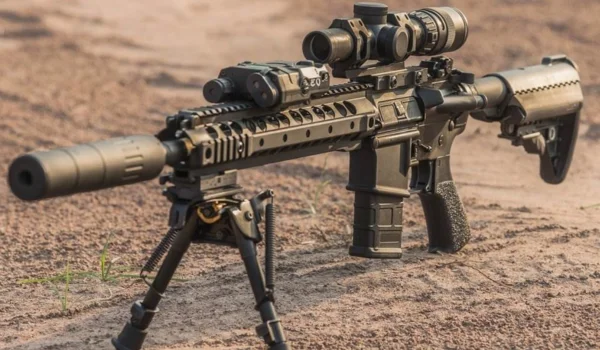
As of now, Michigan does not have a state law banning assault rifles.
Unlike some states that prohibit certain semi-automatic rifles based on features (like pistol grips or detachable magazines), Michigan does not have a feature-based assault weapon ban.
This means that many semi-automatic rifles commonly referred to as “assault rifles” are legal to own in Michigan — provided they comply with federal law.
However, legality depends on specific circumstances, including:
- The type of firearm
- The age of the buyer
- Background check status
- Where and how the firearm is carried
What Is Considered an “Assault Rifle”?
The term “assault rifle” is often misunderstood.
Technically speaking, a true assault rifle (in military terms) is capable of automatic or burst fire. These are heavily regulated under federal law and generally illegal for civilians unless registered before 1986.
Most civilian-owned rifles commonly called “assault rifles” are actually semi-automatic rifles, meaning they fire one round per trigger pull.
Michigan law does not specifically define “assault rifle” as a separate category. Instead, firearms are regulated based on general classifications like:
- Pistols
- Rifles
- Shotguns
The key legal difference often comes down to whether the firearm is considered a rifle or a pistol under Michigan law.
Purchasing a Semi-Automatic Rifle in Michigan
To legally purchase a rifle in Michigan:
- You must be at least 18 years old to buy from a private seller
- You must be at least 18 to purchase from a federally licensed dealer (21 for handguns under federal law)
- You must pass a background check if buying from a licensed dealer
Michigan requires background checks through the federal system (NICS) when purchasing from a licensed dealer.
Private sales of rifles in Michigan do not require a background check under state law, though laws can change, and federal requirements may apply depending on circumstances.
For law practices, this distinction between private and dealer sales can be critical in firearm-related cases.
Registration Requirements
Michigan does not require registration of rifles or so-called assault rifles.
However, Michigan does require registration of handguns (pistols). Some firearms that look like rifles may legally qualify as pistols depending on barrel length and overall size.
This technical classification can significantly affect legal obligations.
For example:
- A short-barreled firearm may be classified differently
- Certain modifications could change a firearm’s legal category
These details matter greatly in criminal cases.
Magazine Capacity Limits
Michigan does not currently impose statewide magazine capacity limits.
Unlike states that restrict magazines to 10 rounds, Michigan allows standard-capacity magazines.
However, federal restrictions still apply to certain items, such as:
- Machine guns
- Short-barreled rifles (without proper federal registration)
- Suppressors (allowed if federally registered)
Always remember that even if Michigan law permits something, federal law may still regulate it.
Open Carry and Assault Rifles in Michigan
Michigan is known as an open-carry state.
Generally speaking, it is legal to openly carry a firearm in Michigan, including rifles, as long as:
- The person legally owns the firearm
- The person is not prohibited from possessing firearms
- The firearm is carried in a lawful manner
However, open carry does not mean you can carry anywhere.
Firearms are restricted in certain places, including:
- Schools (with limited exceptions)
- Federal buildings
- Courts
- Some entertainment venues
Additionally, brandishing a firearm in a threatening manner is illegal.
For everyday gun owners, understanding the difference between lawful open carry and unlawful brandishing is essential.
Transporting an Assault Rifle in Michigan
When transporting a rifle in Michigan:
- It must generally be unloaded
- It should be in a case
- It should be in the trunk or not readily accessible
Transport rules can become complicated, especially if crossing state lines.
For example:
- Illinois has much stricter laws
- Ohio has different regulations
Gun owners traveling between states must comply with both Michigan and destination state laws.
Criminal Penalties Related to Assault Rifles
While Michigan does not ban assault rifles outright, certain actions involving firearms can lead to serious criminal charges, such as:
- Felon in possession of a firearm
- Carrying while intoxicated
- Using a firearm during commission of a felony
- Reckless discharge
One of the most serious charges in Michigan is “felony firearm,” which adds a mandatory prison sentence if a firearm is used during another felony.
For legal professionals, firearm enhancements can significantly increase sentencing exposure.
Recent Legislative Changes and Trends
In recent years, Michigan has enacted new firearm safety laws, including:
- Safe storage requirements
- Expanded background check rules
- Red flag laws (Extreme Risk Protection Orders)
Red flag laws allow courts to temporarily remove firearms from individuals who are considered a danger to themselves or others.
While these laws do not specifically target assault rifles, they can apply to any firearm.
Given the changing political landscape, firearm laws may evolve. Both gun owners and attorneys should stay informed.
Federal Law Still Applies
Even though Michigan does not ban assault rifles, federal law remains powerful.
Federal restrictions include:
- Ban on newly manufactured machine guns for civilian use
- Strict regulation of short-barreled rifles
- Background checks for licensed dealer purchases
- Prohibition for certain individuals (felons, domestic violence convictions, certain restraining orders)
A person prohibited under federal law cannot legally possess a firearm — regardless of Michigan law.
Common Legal Issues in Michigan Assault Rifle Cases
For attorneys handling firearm cases, common issues include:
- Improper transportation
- Illegal possession by prohibited persons
- Modification violations
- Firearm use during alleged assault
- Self-defense claims
Michigan has strong self-defense laws, including “Stand Your Ground,” but those defenses depend heavily on facts.
Just because a firearm was legally owned does not automatically make its use lawful.
Misconceptions About Michigan Assault Rifle Laws
Let’s clear up a few common myths:
Myth #1: Michigan has no gun laws.
False. Michigan regulates firearms — just not through an assault weapon ban.
Myth #2: You can carry anywhere.
Not true. Many locations are restricted.
Myth #3: If it’s legal in Michigan, it’s legal everywhere.
Wrong. State laws vary significantly.
Myth #4: Modifying a rifle has no legal consequences.
Incorrect. Certain modifications can violate federal law.
For Everyday Gun Owners: Practical Advice
If you legally own a semi-automatic rifle in Michigan:
- Know the classification of your firearm
- Follow safe storage laws
- Transport it properly
- Avoid brandishing
- Stay updated on new legislation
Even lawful gun owners can face serious legal trouble if they misunderstand technical requirements.
For Law Practices: Why Details Matter
Firearm cases often turn on small but critical details:
- Barrel length measurements
- Registration records
- Prior convictions
- Federal compliance
- Law enforcement procedure
Defense attorneys should carefully examine:
- Search and seizure legality
- Proper handling of evidence
- Compliance with constitutional protections
Firearm-related prosecutions can involve both state and federal coordination, raising the stakes significantly.
Final Thoughts
When it comes to Michigan gun laws assault rifle regulations, the key point is this: Michigan does not currently ban assault rifles, but firearm ownership is still regulated.
Legal ownership depends on:
- Compliance with federal law
- Age requirements
- Background checks
- Proper transportation
- Safe storage
For everyday citizens, responsible ownership is essential. For legal professionals, understanding both state and federal overlap is critical.
Gun laws can change quickly. Staying informed protects not only your rights — but also your future.