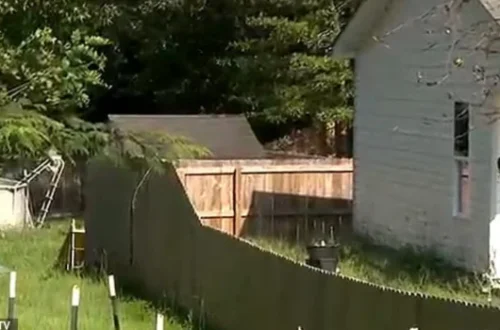
Property line disputes are one of the most common and stressful issues homeowners face. Whether it’s a fence encroaching, a tree overhanging, or a driveway crossing a boundary, these disagreements can quickly escalate if not handled properly. The good news: most disputes can be resolved without going to court if you understand your legal options and follow the right steps.
This guide explains how to settle property line disputes in a practical, step-by-step way for everyday users while highlighting points law practices need to consider.
What Is a Property Line Dispute?

A property line dispute occurs when two or more neighbors disagree about where the boundary between their properties lies. Common examples include:
- Fences or walls built too far
- Trees or landscaping crossing the boundary
- Driveways, garages, or sheds extending onto your land
- Easement or shared access disagreements
Disputes can affect property value, neighbor relationships, and even future real estate transactions, making timely resolution important.
Step 1: Understand Your Legal Rights
Before taking action, it’s critical to know your property rights:
- Review your deed and legal description to understand your official boundary.
- Check your title insurance policy for coverage related to boundary issues.
- Identify any easements or shared access rights that may impact the dispute.
For law practices, clearly explaining these rights to clients can prevent unnecessary escalation.
Step 2: Document the Dispute
Good documentation is crucial for both informal and legal resolution:
- Take photos showing encroachments or overhangs.
- Measure distances using a tape measure or survey tools.
- Keep written records of conversations with neighbors.
- Note the dates and duration of the encroachment.
Proper documentation strengthens your position if legal action becomes necessary.
Step 3: Communicate Calmly with Your Neighbor
Many disputes can be resolved through direct communication:
- Approach your neighbor politely and factually.
- Show evidence of the property line, such as surveys or deeds.
- Express your desired resolution clearly (e.g., fence adjustment, tree trimming).
Maintaining a professional and non-confrontational tone often prevents escalation.
Step 4: Hire a Licensed Land Surveyor
A survey by a licensed professional is often the most effective way to resolve disputes:
- Confirms the exact property boundary
- Identifies encroachments
- Provides evidence usable in court if necessary
For law practices, recommending a survey early ensures accurate legal advice and avoids disputes over incorrect measurements.
Step 5: Explore Mediation or Alternative Dispute Resolution (ADR)
If direct negotiation fails, mediation can be highly effective:
- A neutral third party helps both sides reach an agreement
- Reduces stress, cost, and time compared to litigation
- Often preserves neighbor relationships
Lawyers can facilitate mediation and draft binding agreements to formalize the resolution.
Step 6: Draft a Written Boundary Agreement
If an agreement is reached:
- Put it in writing
- Include a clear description of boundaries and responsibilities
- Record the agreement with the county if necessary
A written agreement protects both parties and prevents future disputes.
Step 7: Consider Legal Action as a Last Resort
If informal and mediated resolutions fail, court action may be required:
- Quiet Title Action – Requests the court to officially declare ownership and boundaries
- Encroachment or Trespass Lawsuit – Seeks removal or compensation for unauthorized structures
- Courts may order removal of fences, structures, or trees, or award monetary damages
Law practices should advise clients on the risks, costs, and expected outcomes before filing a lawsuit.
Step 8: Prevent Future Disputes
Once resolved:
- Maintain regular surveys and documentation
- Communicate changes to property lines, fences, or landscaping
- Include boundary checks in real estate transactions
Prevention is far cheaper and less stressful than resolving disputes later.
Common Challenges in Property Line Settlements
- Disagreement on survey results
- Neighbor resistance to mediation
- Adverse possession claims for long-standing encroachments
- Disputes involving shared trees or utilities
Law practices need to anticipate these issues and prepare strategies for negotiation or litigation.
Frequently Asked Questions (FAQ)
Q: Can I resolve a property line dispute without a lawyer?
A: Many disputes are resolved through negotiation and surveys, but legal advice is important for high-value property or if the neighbor refuses to cooperate.
Q: Does title insurance cover boundary disputes?
A: Standard policies rarely cover physical boundary issues unless there’s a title defect in public records.
Q: How long do I have to take action?
A: Statutes of limitations vary by state and type of claim (trespass, encroachment, adverse possession). Acting promptly is crucial.
Q: Can mediation decisions be enforced?
A: Yes, when both parties sign a legally binding agreement, it can be recorded with the county.
Q: Do I need a survey for small encroachments?
A: Even small disputes benefit from a survey because it provides precise, legally recognized evidence.
Key Takeaways
- Act early: Time-sensitive laws like adverse possession can affect your rights.
- Document everything: Evidence is critical for negotiations or court.
- Use professional surveys: They provide clarity and legal weight.
- Explore mediation first: Most disputes can be resolved without litigation.
- Formalize agreements in writing: Protects both parties long-term.
For law practices, guiding clients through these steps ensures efficiency, reduces costs, and strengthens outcomes. For homeowners, following this structured approach minimizes stress and preserves property value.