Introduction: When Creative Work Turns Into a Legal Dispute
In today’s digital and creative economy, ideas, content, and inventions move fast. Artists, writers, designers, entrepreneurs, and online creators often share their work publicly. While this creates opportunity, it can also lead to intellectual property disputes.
When people search for an “Evaline Lasater intellectual property dispute,” they are usually trying to understand what an intellectual property (IP) dispute involving an individual might look like, what rights are involved, and how such conflicts are typically handled under U.S. law.
This article explains, in simple language, what an intellectual property dispute is, why these disputes happen, and how they are resolved, using a general educational approach rather than making claims about any specific person.
What Is an Intellectual Property Dispute?
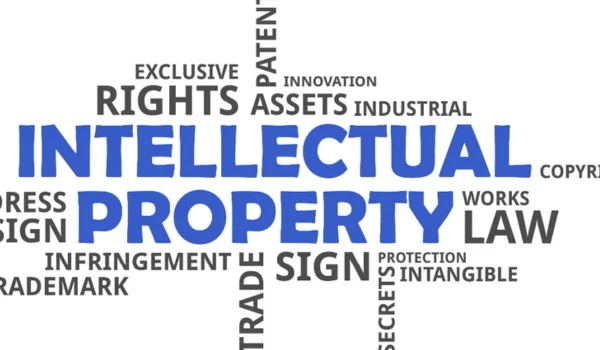
An intellectual property dispute happens when there is a disagreement over who owns, controls, or has the right to use creative or original work.
Intellectual property can include:
- Written content
- Artwork or designs
- Music or videos
- Business names or logos
- Online courses or digital products
- Inventions or original ideas
Disputes often arise when one party believes their work was used without permission.
Common Types of Intellectual Property Involved
Most IP disputes fall into a few main categories:
Copyright
Protects original creative works like:
- Articles and books
- Photos and illustrations
- Music and videos
- Website content
Trademarks
Protects brand identifiers such as:
- Business names
- Logos
- Slogans
Patents
Protect inventions or unique processes.
Trade Secrets
Protect confidential business information.
In many disputes involving individuals, copyright and trademark issues are the most common.
How an Intellectual Property Dispute Typically Starts
An IP dispute often begins when someone believes:
- Their work was copied
- Their name or brand was used without permission
- Their content was reposted or sold by others
- Credit or ownership was removed
In some cases, the issue starts with a simple misunderstanding. In others, it may involve more serious disagreement.
What an “Evaline Lasater Intellectual Property Dispute” Search Usually Means
When a name is searched alongside “intellectual property dispute,” it does not automatically mean wrongdoing or a lawsuit. People may be searching because:
- They heard about a disagreement
- They want legal clarity
- They are researching IP law examples
- They are trying to understand how IP disputes work
It’s important to separate legal education from assumptions or conclusions.
Initial Steps in an IP Dispute
Most intellectual property disputes do not start in court. Common first steps include:
- Reviewing Ownership
The parties look at:
- Creation dates
- Contracts or agreements
- Registration records
- Sending a Notice
A formal message may ask:
- For content removal
- For proper credit
- For stopping further use
- Informal Discussion
Many disputes are resolved by:
- Clarification
- Licensing agreements
- Content updates
These early steps often prevent legal escalation.
When Legal Action Becomes a Possibility
If informal solutions fail, an IP dispute may move toward legal action. This could include:
- Cease-and-desist letters
- Mediation or settlement talks
- Filing a civil lawsuit
Legal action usually focuses on:
- Proving ownership
- Showing unauthorized use
- Determining financial harm
Courts look at evidence, not online opinions.
Possible Outcomes of an Intellectual Property Dispute
An IP dispute can end in several ways:
Agreement Between Parties
The most common outcome, involving:
- Licensing
- Revenue sharing
- Content changes
Removal or Modification
The disputed material may be taken down or altered.
Financial Compensation
In some cases, damages or settlement payments may apply.
Court Decision
If unresolved, a judge may decide ownership and remedies.
Most disputes end before a full trial.
Why Intellectual Property Disputes Are Increasing
IP disputes are more common today because:
- Online content is easy to copy
- Social media spreads work quickly
- Digital businesses grow fast
- More individuals monetize creative content
Even well-meaning people can unintentionally cross legal boundaries.
How Individuals Can Protect Their Intellectual Property
Whether you are a creator, business owner, or online professional, protection steps include:
- Keeping original drafts and records
- Registering copyrights or trademarks
- Using written agreements
- Monitoring unauthorized use
Clear ownership reduces future disputes.
How to Avoid IP Disputes When Using Others’ Work
To avoid conflicts:
- Ask permission before using content
- Credit creators properly
- Use licensed or royalty-free materials
- Avoid copying branding or names
Good practices protect everyone involved.
Frequently Asked Questions (FAQ)
Does an intellectual property dispute always mean a lawsuit?
No. Most are resolved through discussion or agreement.
Can an individual be involved in an IP dispute?
Yes. IP disputes often involve individuals, not just companies.
Is online copying always illegal?
Not always, but permission and licensing matter.
Does searching a name mean legal guilt?
No. Searches often reflect curiosity or research, not facts.
Are IP disputes public?
Only court cases are public. Many settlements are private.
Final Thoughts: Understanding Intellectual Property Disputes Involving Individuals
An Evaline Lasater intellectual property dispute, like any IP-related search, highlights how important it is to understand intellectual property rights in today’s world. These disputes are usually about ownership, permission, and clarity, not personal conflict.
By learning how intellectual property works and how disputes are typically handled, readers can better protect their own work and respect the rights of others.
This article is for general educational purposes only and does not make claims about any individual or provide legal advice. For specific concerns, professional legal guidance is recommended.