Domestic violence charges can be frightening and confusing—especially if you don’t understand the law. In Alabama, Domestic Violence 3rd Degree is one of the lower-level domestic violence charges, but it still carries serious consequences.
If you or someone you care about is facing this charge, it’s important to know what domestic violence 3rd degree in Alabama really means, how it is handled, and what the potential penalties are. This guide explains it in plain, easy-to-understand language—no legal jargon, just the facts you need.
What Is Domestic Violence 3rd Degree in Alabama?
In Alabama, Domestic Violence 3rd Degree (DV 3rd Degree) is classified as a Class A misdemeanor. It applies when a person is accused of causing physical harm or threatening a household member without committing more severe offenses like serious injury or aggravated assault.
Even though it is considered “third degree,” this charge is still a criminal offense with real consequences, including jail, fines, and a permanent criminal record.
Who Counts as a “Household Member” in Alabama?
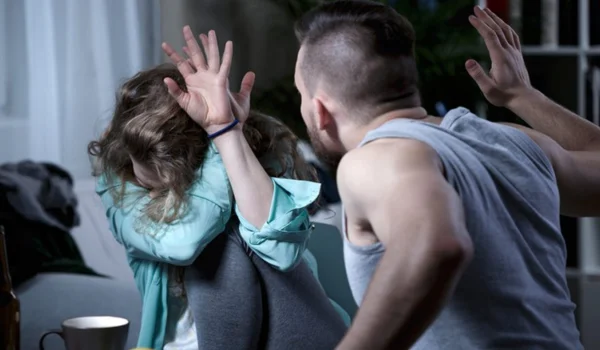
Domestic violence laws in Alabama only apply when the parties have a specific relationship. A household member includes:
- Current or former spouses
- People who live or used to live together
- Parents or guardians and their children
- Persons who share a child or have a dating/romantic relationship
If the person involved is not considered a household member, the incident may be treated as a different type of assault rather than domestic violence.
What Actions Can Lead to a DV 3rd Degree Charge?
You can be charged with domestic violence 3rd degree in Alabama if you are accused of:
- Causing physical harm to a household member
- Attempting to cause physical harm
- Threatening violence that causes fear of imminent harm
It’s important to note that serious injury is not required. Even minor physical contact or threats can result in a charge.
Common Examples of Domestic Violence 3rd Degree
Some situations that may lead to a DV 3rd Degree charge include:
- Shoving or grabbing a partner during an argument
- Slapping or hitting without causing severe injury
- Throwing objects during a domestic dispute
- Making threats that make a household member afraid for their safety
Police responding to calls may arrest someone if they believe domestic violence has occurred.
Penalties for Domestic Violence 3rd Degree in Alabama
Domestic Violence 3rd Degree is a misdemeanor, but penalties can still be significant:
- Up to one year in jail
- Fines up to $6,000
- Probation or community service
- Mandatory counseling or domestic violence intervention programs
Even a misdemeanor conviction can impact your job prospects, housing, and legal rights, including firearms ownership.
Mandatory Counseling and Intervention Programs
Alabama law often requires convicted individuals to complete a domestic violence intervention or counseling program.
These programs are designed to:
- Teach safe conflict resolution
- Address abusive behavior patterns
- Reduce the risk of repeat offenses
Failing to complete these programs can result in additional penalties or extension of probation.
Can a DV 3rd Degree Charge Be Dropped?
It’s a common misconception that the victim can “drop” the charges. In Alabama:
- The prosecutor controls the case, not the victim
- Charges may proceed even if the parties reconcile or the victim does not want prosecution
This is to ensure the safety of all parties and reduce the risk of repeat abuse.
What Happens After an Arrest?
After being arrested for DV 3rd Degree in Alabama, you may experience:
- Jail booking and processing
- Posting bond or bail
- Court hearings and arraignment
- Temporary protective orders or no-contact orders
Violation of no-contact or protective orders can lead to additional criminal charges.
No-Contact and Protective Orders
Courts often issue protective orders to prevent contact between the accused and the victim. These may include:
- No phone calls, texts, or social media messages
- No physical contact or proximity
- Temporary removal from a shared home
It is important to strictly follow these orders. Violating them can result in new criminal charges or harsher penalties.
How DV 3rd Degree Can Affect Firearm Rights
A domestic violence conviction—even for a misdemeanor—can affect your right to own or possess firearms under federal law.
This restriction can be long-term and impact your ability to buy, sell, or legally possess guns.
DV 3rd Degree and Child Custody
A domestic violence charge can also impact child custody and visitation rights. Courts prioritize child safety, and allegations of domestic violence are taken seriously. Even a third-degree charge can influence family court decisions.
First-Time Offenders: Jail Always Required?
Not necessarily. Many first-time offenders may avoid jail if:
- Injuries were minor
- There is no prior criminal record
- Probation or counseling is completed
- The judge considers alternative sentencing
However, jail is always a legal possibility, and outcomes vary depending on circumstances.
What Makes Domestic Violence Charges More Serious?
DV 3rd Degree can escalate to higher degrees if:
- There is a prior domestic violence conviction
- Serious injury occurs
- A weapon is used
- Children are involved
- Protective orders are violated
Higher degrees carry longer jail time, larger fines, and more severe long-term consequences.
Common Misconceptions About DV 3rd Degree
Myth 1: It’s just a minor charge
Even a misdemeanor domestic violence charge can have lasting legal and personal consequences.
Myth 2: Victim decides if charges proceed
The prosecutor decides whether the case moves forward.
Myth 3: No injury means no charge
Fear or minor physical contact can still result in a charge.
What Should You Do If Charged?
If you are charged with domestic violence 3rd degree in Alabama:
- Take the charge seriously
- Follow all court orders
- Avoid contact with the alleged victim if ordered
- Seek experienced legal counsel immediately
Ignoring the charge or failing to comply with court orders can make the situation worse.
Final Thoughts
Domestic Violence 3rd Degree in Alabama may be the lowest-level domestic violence charge, but it is still serious. Jail time, fines, mandatory counseling, and restrictions on contact or firearms are all possible outcomes.
Understanding the law, following court orders, and getting proper legal guidance are essential steps for protecting your rights and addressing the situation responsibly.
Even a misdemeanor can have lasting consequences, so taking action early is the best way to reduce risk and move forward safely.
Quick FAQs
Is DV 3rd Degree a misdemeanor?
Yes, it is a Class A misdemeanor in Alabama.
Can charges be dropped if the victim wants?
Not automatically. The prosecutor decides whether the case proceeds.
Is counseling required after conviction?
Yes, participation in a domestic violence program is often mandatory.
Can a DV 3rd Degree charge affect child custody?
Yes, it can influence family court decisions.