When someone is accused of a crime in the United States, everything can change overnight. Freedom, reputation, career, family life—everything is suddenly at risk. That’s where a criminal law attorney steps in.
Whether you are an everyday person trying to understand your rights or a law practice looking to refine your client approach, this detailed guide explains what a criminal law attorney does, how they protect clients, and why their role is so critical in the justice system.
Let’s break it down in clear, simple language.
What Is a Criminal Law Attorney?
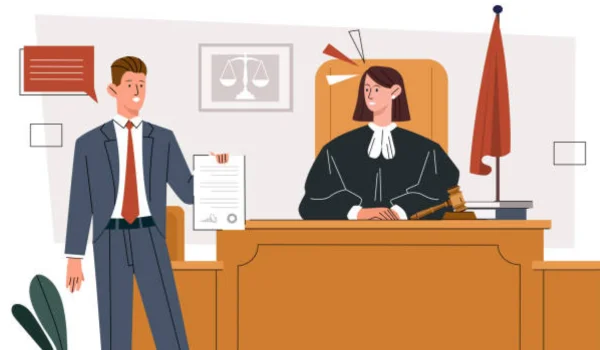
A criminal law attorney (also called a criminal defense lawyer) is a legal professional who represents individuals or organizations charged with criminal offenses. These offenses can range from minor traffic violations to serious felonies like assault, drug trafficking, or homicide.
Their main job is simple in theory but complex in practice:
Protect the rights of the accused and ensure they receive a fair trial.
In the U.S., everyone charged with a crime has the constitutional right to legal representation. If someone cannot afford an attorney, the court appoints a public defender. But many people hire private criminal defense attorneys for personalized attention and experience.
Types of Cases Criminal Law Attorneys Handle
Criminal law covers a wide range of offenses. Some common categories include:
- Misdemeanors
These are less serious crimes but can still carry jail time and fines.
- DUI/DWI
- Shoplifting
- Simple assault
- Disorderly conduct
- Traffic-related offenses
- Felonies
These are more serious crimes with potentially long prison sentences.
- Drug trafficking
- Aggravated assault
- Robbery
- Fraud
- Domestic violence
- Murder
- Federal Crimes
These involve violations of federal law and are handled in federal court.
- Federal drug charges
- White-collar crimes
- Immigration-related offenses
- Federal firearms violations
Criminal law attorneys may focus on specific areas, such as DUI defense, white-collar crime, or violent crimes.
What Does a Criminal Law Attorney Actually Do?
Many people think defense attorneys just argue in court. In reality, much of their work happens behind the scenes.
- Investigating the Case
A good criminal defense attorney reviews every detail:
- Police reports
- Witness statements
- Body camera footage
- Surveillance video
- Forensic evidence
They may hire investigators or expert witnesses to challenge the prosecution’s claims.
- Protecting Constitutional Rights
Law enforcement must follow strict rules. If police:
- Conducted an illegal search,
- Failed to read Miranda rights,
- Used improper interrogation tactics,
Your attorney can file motions to suppress evidence. If evidence is thrown out, the case may weaken significantly.
- Negotiating Plea Deals
Many criminal cases end in plea agreements. A criminal law attorney negotiates with prosecutors to:
- Reduce charges
- Lower penalties
- Avoid jail time
- Secure probation instead of incarceration
Strong negotiation skills are often just as important as courtroom skills.
- Representing Clients in Court
If a case goes to trial, the attorney:
- Selects the jury
- Cross-examines witnesses
- Challenges prosecution evidence
- Presents defense evidence
- Makes opening and closing arguments
Their goal is to create reasonable doubt in the minds of jurors.
Why Hiring a Criminal Law Attorney Is So Important
Facing criminal charges without legal representation is risky. Criminal law is complex, and one mistake can have lifelong consequences.
Here’s why having a defense attorney matters:
- Knowledge of the Law
Criminal statutes, sentencing guidelines, and procedural rules vary by state and federal court. Attorneys understand how these rules apply to your case.
- Emotional Distance
When someone is accused, emotions run high—fear, anger, panic. A criminal law attorney brings objectivity and strategic thinking.
- Access to Resources
Experienced attorneys have:
- Private investigators
- Forensic experts
- Professional networks
- Knowledge of local judges and prosecutors
- Protection From Self-Incrimination
Many people harm their own cases by speaking too freely. An attorney ensures clients do not say something that could be used against them.
Public Defender vs. Private Criminal Law Attorney
Both public defenders and private attorneys are licensed professionals. However, there are differences.
Public Defender
- Appointed by the court
- No direct cost to the defendant
- Often handle heavy caseloads
- Limited time for each case
Private Criminal Law Attorney
- Hired directly by the client
- More personalized attention
- Greater flexibility
- Typically charge hourly or flat fees
Choosing between them depends on financial situation and case complexity.
How Criminal Law Attorneys Build a Strong Defense
Every case is different, but defense strategies often include:
Challenging Evidence
- Was the search legal?
- Is the witness credible?
- Is forensic testing reliable?
Establishing Alibi
Showing the defendant was somewhere else when the crime occurred.
Self-Defense
Common in assault cases where the accused claims they were protecting themselves.
Mistaken Identity
Eyewitness errors happen more often than people think.
Constitutional Violations
If rights were violated, parts of the case may be dismissed.
The Impact of Criminal Convictions
A conviction can affect more than jail time or fines. It may impact:
- Employment opportunities
- Professional licenses
- Immigration status
- Housing applications
- Gun ownership rights
- Child custody arrangements
This is why the role of a criminal law attorney goes beyond the courtroom—they help protect a person’s future.
What to Look for in a Criminal Law Attorney
If you or someone you know needs representation, here are key qualities to consider:
- Experience in Similar Cases
A lawyer who regularly handles DUI cases may not be ideal for a complex federal fraud case.
- Clear Communication
The attorney should explain legal concepts in simple terms.
- Strong Reputation
Check reviews, testimonials, and disciplinary history.
- Trial Experience
Even if most cases settle, you want someone ready to go to trial if needed.
- Transparent Fees
Understand whether fees are flat-rate or hourly and what services are included.
Ethical Duties of Criminal Law Attorneys
Criminal defense attorneys follow strict ethical standards:
- Maintain client confidentiality
- Avoid conflicts of interest
- Provide competent representation
- Act in the client’s best interest
Even if they personally disagree with a client’s actions, their job is to ensure the legal system works fairly.
How Criminal Law Attorneys Help Law Practices
For law firms, criminal defense work requires:
- Strong case management systems
- Clear intake procedures
- Skilled negotiation training
- Up-to-date legal research
- Effective courtroom presence
Modern practices also invest in:
- Digital evidence review tools
- Client communication platforms
- Continuing legal education
The competitive nature of criminal defense means firms must balance aggressive representation with professional integrity.
The Emotional Side of Criminal Defense
Criminal cases are stressful for clients and families. Good criminal law attorneys understand this and provide:
- Honest expectations
- Clear timelines
- Support during court appearances
- Guidance on what to expect
Compassion, combined with strategy, makes a major difference.
Common Myths About Criminal Law Attorneys
Myth 1: They Help Guilty People Escape Justice
Defense attorneys protect constitutional rights. The legal system depends on fair representation for everyone.
Myth 2: If You’re Innocent, You Don’t Need a Lawyer
Even innocent people can be wrongly accused or misinterpreted.
Myth 3: All Cases Go to Trial
Most criminal cases are resolved through plea agreements.
Final Thoughts
A criminal law attorney plays one of the most important roles in the American legal system. They stand between the power of the government and the individual accused of a crime. Their job is not to judge—it is to defend.
For everyday individuals, understanding what a criminal defense attorney does can reduce fear and confusion if legal trouble arises. For law practices, mastering the art of criminal defense requires preparation, strategy, and dedication to justice.
In the end, criminal law is about more than punishment. It’s about fairness, rights, and ensuring that every person receives due process under the law.
And that is exactly where a skilled criminal law attorney makes all the difference.