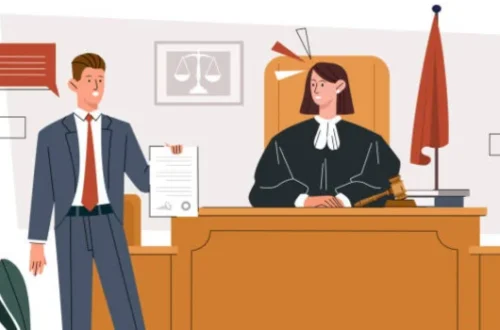
When people hear the terms criminal law and criminal justice, they often think they mean the same thing. While they are closely connected, they are not identical. Criminal law defines what behavior is considered a crime and what punishments apply. Criminal justice refers to the entire system that enforces those laws—from police officers to courts to correctional facilities.
Understanding criminal law and criminal justice is important for everyday citizens and legal professionals alike. Whether you are trying to understand your rights, exploring a career in law, or building a law practice, knowing how these two concepts work together can make a big difference.
Let’s break it down in clear, simple language.
What Is Criminal Law?
Criminal law is the body of rules that define crimes and set penalties. These laws are created by lawmakers at both the state and federal levels.
In simple terms, criminal law answers two key questions:
- What actions are considered crimes?
- What punishment applies if someone commits that crime?
Examples of Crimes Under Criminal Law:
- Theft
- Assault
- Drug possession
- DUI (Driving Under the Influence)
- Fraud
- Robbery
- Homicide
Each state has its own criminal code, and there are also federal criminal laws. Some crimes, like murder or robbery, are typically handled at the state level. Others, such as federal drug trafficking or wire fraud, may be prosecuted in federal court.
Criminal law is focused on protecting society. When someone violates criminal law, the government prosecutes them on behalf of the public.
What Is Criminal Justice?
Criminal justice is the system that enforces criminal law. It includes all the institutions and professionals involved in investigating crimes, prosecuting offenders, defending the accused, and carrying out sentences.
The criminal justice system has three main parts:
- Law Enforcement
- Courts
- Corrections
Together, they make up the process that handles criminal cases from start to finish.
The Three Pillars of Criminal Justice
- Law Enforcement
Law enforcement officers are usually the first point of contact in the criminal justice process. Their job is to:
- Respond to reports of crimes
- Investigate incidents
- Gather evidence
- Arrest suspects when there is probable cause
Police must follow strict rules when investigating crimes. They must respect constitutional rights, such as protection against illegal searches and the right to remain silent.
If law enforcement violates these rights, evidence can sometimes be thrown out in court.
- The Court System
Once someone is charged with a crime, the case moves to the courts.
Key players in the courtroom include:
- Prosecutor (represents the government)
- Defense attorney (represents the accused)
- Judge
- Jury (in many cases)
The court’s role is to ensure a fair trial and determine whether the accused is guilty or not guilty.
In criminal cases, the government must prove guilt beyond a reasonable doubt, which is a high standard. This protects individuals from wrongful convictions.
Many cases do not go to trial. Instead, they are resolved through plea agreements where the defendant agrees to plead guilty in exchange for reduced charges or lighter sentencing.
- Corrections
If a person is convicted, the corrections system handles the punishment. This may include:
- Jail (short-term detention)
- Prison (long-term incarceration)
- Probation
- Parole
- Community service
The corrections system is not only about punishment but also about rehabilitation. Programs may include education, job training, and counseling to help reduce repeat offenses.
How Criminal Law and Criminal Justice Work Together
Think of criminal law as the rulebook and criminal justice as the team that enforces the rules.
Criminal law defines crimes and penalties.
Criminal justice carries out those laws through real-world actions.
For example:
- Criminal law says robbery is illegal and punishable by prison.
- Criminal justice involves police investigating the robbery, prosecutors filing charges, defense attorneys protecting the accused’s rights, and courts deciding the outcome.
Without criminal law, there would be no defined crimes.
Without criminal justice, laws would not be enforced.
The Goals of the Criminal Justice System
The criminal justice system serves several key goals:
- Deterrence
Discouraging people from committing crimes by showing there are consequences.
- Punishment
Holding individuals accountable for breaking the law.
- Rehabilitation
Helping offenders reform and return to society as law-abiding citizens.
- Public Safety
Protecting communities from dangerous individuals.
Balancing these goals is one of the biggest challenges in criminal justice.
Rights of the Accused
One of the defining features of the U.S. criminal justice system is its emphasis on individual rights.
Under the Constitution, people accused of crimes have the right to:
- Remain silent
- Have an attorney
- A speedy and public trial
- Trial by jury
- Confront witnesses
- Protection from double jeopardy
These protections are essential to prevent abuse of government power.
Misdemeanors vs Felonies
Criminal law divides crimes into categories based on seriousness.
Misdemeanors
- Less serious offenses
- Usually punishable by up to one year in jail
- Examples: petty theft, simple assault, minor drug possession
Felonies
- More serious crimes
- Punishable by more than one year in prison
- Examples: armed robbery, aggravated assault, homicide
The criminal justice process can look very different depending on whether a case involves a misdemeanor or felony.
The Role of Criminal Defense Attorneys
Criminal defense attorneys are a critical part of criminal justice. Their role is not to judge their clients but to ensure:
- The government follows the law
- Evidence is legally obtained
- The accused receives a fair trial
They may negotiate plea deals, file motions to dismiss charges, challenge evidence, and represent clients at trial.
For law practices, criminal defense requires strong investigation skills, courtroom presence, and negotiation ability.
Challenges in Criminal Law and Criminal Justice
While the system aims for fairness, it faces ongoing challenges:
- Overcrowded Prisons
Many states struggle with high incarceration rates.
- Case Backlogs
Courts can become overloaded, leading to delays.
- Unequal Access to Resources
Public defenders often handle heavy caseloads, while prosecutors may have more resources.
- Balancing Safety and Fairness
Protecting society while preserving individual rights is a constant balancing act.
Understanding these challenges is important for both policymakers and legal professionals.
Criminal Justice Reform
In recent years, criminal justice reform has become a major topic in the United States. Reform efforts focus on:
- Reducing mandatory minimum sentences
- Expanding diversion programs
- Addressing wrongful convictions
- Improving reentry programs for former inmates
The goal is to create a system that is fair, effective, and focused on long-term public safety.
Why This Matters for Everyday People
Even if you never plan to enter a courtroom, understanding criminal law and criminal justice helps you:
- Know your rights during police interactions
- Understand how charges work
- Make informed decisions if accused
- Recognize the importance of legal representation
Legal knowledge reduces fear and confusion.
Why This Matters for Law Practices
For law firms and attorneys, success in criminal law requires:
- Deep understanding of procedural rules
- Strategic negotiation skills
- Knowledge of sentencing guidelines
- Clear client communication
- Ethical responsibility
Staying updated on changes in criminal law and justice reform is essential for effective advocacy.
Final Thoughts
Criminal law and criminal justice are deeply connected but serve different roles. Criminal law defines crimes and punishments. Criminal justice is the system that enforces those laws and ensures accountability.
Together, they shape how society responds to wrongdoing. They protect public safety, safeguard constitutional rights, and aim to deliver fair outcomes.
For everyday individuals, understanding these concepts empowers you to protect your rights. For legal professionals, mastering both areas is key to providing strong and ethical representation.
In the end, criminal law sets the rules—but criminal justice brings them to life.