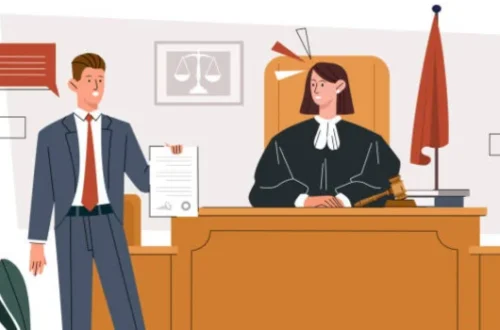
When someone is convicted of a crime, many people assume the legal process is over. However, in the United States justice system, a conviction does not always mean the case is permanently settled. Defendants often have the right to challenge the decision through an appeal.
This is where a criminal appeals law firm plays an important role. These specialized law firms focus on reviewing criminal convictions and asking higher courts to reconsider possible legal errors made during the trial.
For everyday people, understanding how criminal appeals work can help clarify what happens after a conviction and why skilled appellate lawyers are so important.
What Is a Criminal Appeal?
A criminal appeal is a legal process in which a defendant asks a higher court to review the decision made by a trial court.
Instead of presenting new witnesses or new evidence, the appeal usually focuses on whether the law was applied correctly during the trial.
For example, an appeal might argue that:
- The judge made a legal mistake
- The jury received incorrect instructions
- Evidence was improperly admitted
- The defendant’s constitutional rights were violated
Appeals are often reviewed by higher courts such as the United States Courts of Appeals or, in rare cases, the Supreme Court of the United States.
What Is a Criminal Appeals Law Firm?

A criminal appeals law firm is a legal practice that focuses specifically on post-conviction representation.
Unlike trial lawyers, appellate attorneys do not usually argue about whether the defendant committed the crime. Instead, they analyze the trial record to identify legal errors that may have affected the verdict.
Their work often involves:
- Reviewing transcripts from the trial
- Researching legal precedents
- Writing detailed legal briefs
- Arguing cases before appellate judges
Because appellate cases rely heavily on legal research and writing, these lawyers must have strong analytical and communication skills.
Why Appeals Are Important in the Justice System
Appeals are a crucial part of ensuring fairness in the legal system.
Even experienced judges and lawyers can make mistakes during complex trials. The appeals process gives higher courts an opportunity to correct these errors.
The U.S. Constitution protects several important rights during criminal trials, including those found in the Sixth Amendment to the United States Constitution and the Fourteenth Amendment to the United States Constitution.
If a defendant’s rights under these amendments are violated, an appellate court may overturn the conviction or order a new trial.
Common Reasons for Criminal Appeals
Criminal appeals often focus on specific legal issues that occurred during the trial.
- Improper Evidence
Sometimes evidence is admitted even though it violates legal rules.
For example, if police conducted an illegal search that violated the Fourth Amendment to the United States Constitution, the evidence obtained might not be allowed in court.
If the trial judge allowed that evidence anyway, an appellate lawyer may challenge the decision.
- Incorrect Jury Instructions
Judges must carefully explain the law to jurors before they decide a case.
If the instructions are inaccurate or confusing, it could lead to an unfair verdict.
Appeals lawyers often review jury instructions to determine whether they were legally correct.
- Prosecutorial Misconduct
Sometimes prosecutors may act improperly during a trial.
Examples include:
- Withholding important evidence
- Making misleading statements to the jury
- Violating procedural rules
If misconduct affected the outcome of the trial, an appellate court may intervene.
- Ineffective Assistance of Counsel
Defendants have the right to competent legal representation.
If a defense attorney fails to provide reasonable legal help, the defendant may claim ineffective assistance of counsel.
This right was strongly reinforced in the landmark Supreme Court case Strickland v. Washington.
What Criminal Appeals Lawyers Actually Do
A criminal appeals attorney spends much of their time reviewing and analyzing the original trial.
Here are some of the key steps they take.
Reviewing the Trial Record
The lawyer carefully studies:
- Court transcripts
- Evidence presented at trial
- Legal motions
- Jury instructions
This process can involve thousands of pages of documents.
Writing an Appellate Brief
The most important document in an appeal is the appellate brief.
This written argument explains:
- What legal errors occurred
- Why those errors matter
- How the law supports the appeal
Because appellate courts rely heavily on written arguments, these briefs must be extremely detailed and persuasive.
Presenting Oral Arguments
In some cases, appellate lawyers appear before a panel of judges to present oral arguments.
Instead of addressing a jury, they answer questions from judges about legal issues in the case.
This part of the process is often highly technical and focused on legal interpretation.
Possible Outcomes of a Criminal Appeal
Appeals do not always result in a new trial or dismissal. However, they can lead to several different outcomes.
- Conviction Affirmed
The appellate court may agree with the trial court and uphold the conviction.
- Conviction Reversed
The court may overturn the conviction entirely.
- New Trial Ordered
Sometimes the court finds serious legal errors and sends the case back for a new trial.
- Sentence Reduced
In certain situations, the appellate court may modify the sentence rather than overturn the conviction.
How Criminal Appeals Law Firms Differ from Trial Lawyers
Trial lawyers and appeals lawyers often have different skill sets.
Trial lawyers focus on:
- Witness testimony
- Jury persuasion
- Evidence presentation
Appeals lawyers focus on:
- Legal research
- Written arguments
- Constitutional analysis
Because of this difference, many defendants hire specialized appellate attorneys after a conviction.
How Long the Appeals Process Takes
Criminal appeals can take months or even years to resolve.
This is because appellate courts carefully review complex legal issues and large amounts of documentation.
While the process may feel slow, it helps ensure that courts make thoughtful and accurate decisions.
When Someone Should Contact a Criminal Appeals Law Firm
A person should consider contacting an appeals lawyer if:
- They believe a legal error occurred during the trial
- Their constitutional rights were violated
- Their attorney provided ineffective representation
- New legal developments affect their case
Time limits for filing appeals can be strict, so acting quickly is often essential.
Final Thoughts
A criminal conviction is serious, but it is not always the final word. The appeals process exists to ensure that justice is applied fairly and that legal mistakes can be corrected.
Criminal appeals law firms play a vital role in this system. By carefully reviewing trial records, researching legal issues, and presenting arguments to higher courts, these attorneys help protect the rights guaranteed under the U.S. Constitution.
For everyday people, the key takeaway is simple: the justice system includes safeguards designed to catch errors and protect fairness. Criminal appeals lawyers are an essential part of making sure those safeguards work.