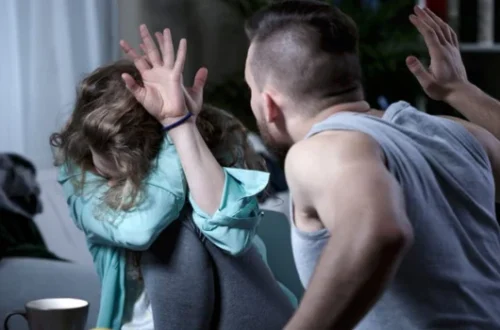
Domestic violence affects people of all backgrounds, ages, and income levels. In California, thousands of families every year face abuse behind closed doors—often unsure where to turn for help. That’s where the California Partnership to End Domestic Violence (CPEDV) plays a critical role.
If you’ve come across this name and are wondering what the California Partnership to End Domestic Violence is, what it does, and how it helps survivors, this article explains everything in simple, easy-to-understand language—without heavy legal terms.
What Is the California Partnership to End Domestic Violence?
The California Partnership to End Domestic Violence (CPEDV) is a statewide organization that works to prevent domestic violence and support survivors across California.
Rather than helping only one person at a time, CPEDV focuses on:
- Supporting local domestic violence programs
- Improving laws and policies
- Educating communities
- Strengthening survivor services statewide
In simple terms, CPEDV helps the helpers—so survivors can get better protection and support.
Who Does CPEDV Help?
CPEDV’s work impacts:
- Survivors of domestic violence
- Children exposed to abuse
- Families seeking safety and stability
- Community-based domestic violence programs
- Advocates, counselors, and service providers
While CPEDV does not usually provide direct emergency shelter, its work makes sure local shelters, hotlines, and programs are strong, funded, and effective.
What Is Considered Domestic Violence in California?
Domestic violence in California includes more than just physical harm. It can involve:
- Physical abuse
- Emotional abuse
- Verbal threats
- Financial control
- Sexual abuse
- Stalking
- Isolation from friends or family
CPEDV works to ensure that laws and services recognize all forms of abuse, not just physical violence.
What Does the California Partnership to End Domestic Violence Do?
CPEDV’s work can be grouped into several key areas.
- Supporting Local Domestic Violence Programs
California has hundreds of local organizations that:
- Run shelters
- Operate crisis hotlines
- Provide counseling
- Help survivors with safety planning
CPEDV supports these programs by:
- Providing training and education
- Sharing best practices
- Offering leadership development
- Helping programs meet state requirements
This support helps ensure survivors receive consistent, high-quality care across the state.
- Advocating for Stronger Laws and Policies
One of CPEDV’s most important roles is policy advocacy.
They work with lawmakers to:
- Improve domestic violence laws
- Expand survivor protections
- Increase funding for services
- Address gaps in the legal system
This includes advocating for:
- Better restraining order protections
- Survivor housing stability
- Support for underserved communities
- Trauma-informed responses
Their goal is to make California laws safer and more survivor-focused.
- Training Advocates and Professionals
CPEDV provides education and training to:
- Domestic violence advocates
- Social workers
- Counselors
- Community leaders
Training topics often include:
- Trauma-informed care
- Cultural sensitivity
- Survivor-centered advocacy
- Safety planning
- Legal system navigation
Well-trained advocates mean survivors receive respectful, informed, and effective support.
- Centering Survivor Voices
A key principle of CPEDV is listening to survivors.
They work to:
- Amplify survivor experiences
- Include survivor input in policy decisions
- Promote survivor leadership
By doing this, CPEDV helps ensure that programs and laws reflect real-life needs, not just theory.
- Addressing Inequality and Barriers to Safety
Not all survivors face the same challenges. CPEDV focuses on communities that often experience extra barriers, including:
- Immigrants
- LGBTQ+ individuals
- People with disabilities
- Communities of color
- Rural communities
They work to remove barriers such as:
- Language access issues
- Fear of deportation
- Lack of housing
- Limited access to legal help
This approach helps make support services more inclusive and accessible.
How CPEDV Impacts the Legal System
While CPEDV is not a law firm, it plays a major role in shaping how the legal system responds to domestic violence.
Their work influences:
- Protective order laws
- Court procedures involving survivors
- Victim rights policies
- Funding for legal assistance programs
By improving the system as a whole, CPEDV helps survivors navigate legal processes more safely and effectively.
Does CPEDV Help Individuals Directly?
CPEDV usually does not provide direct services like:
- Emergency shelter
- Legal representation
- Crisis hotlines
Instead, it connects people to local domestic violence programs that offer direct help.
If someone needs immediate assistance, CPEDV can point them toward:
- Local shelters
- Crisis hotlines
- Advocacy organizations
Why Organizations Like CPEDV Are So Important
Domestic violence is not just a personal issue—it’s a community and public safety issue.
Organizations like CPEDV:
- Strengthen prevention efforts
- Improve survivor safety statewide
- Ensure programs remain funded and effective
- Help prevent future abuse
Without statewide coordination, services can become uneven and underfunded.
How CPEDV Supports Prevention, Not Just Response
CPEDV believes that ending domestic violence requires prevention, not just crisis response.
Prevention efforts include:
- Public education
- Youth and relationship education
- Community engagement
- Addressing root causes like inequality and isolation
By focusing on prevention, CPEDV works to reduce violence before it starts.
How Is CPEDV Funded?
CPEDV receives funding from:
- Government grants
- Public funds
- Partnerships
- Donations
This funding supports:
- Training programs
- Policy advocacy
- Statewide coordination
- Technical assistance for local programs
Funding stability helps ensure survivor services remain available long-term.
How the Public Can Support the California Partnership to End Domestic Violence
People can support CPEDV by:
- Learning about domestic violence issues
- Supporting local domestic violence programs
- Advocating for survivor-centered policies
- Sharing accurate information
- Volunteering or donating to partner organizations
Community involvement plays a powerful role in ending violence.
Common Misunderstandings About CPEDV
Myth 1: CPEDV only helps women
Domestic violence affects people of all genders. CPEDV supports inclusive services.
Myth 2: Domestic violence is only physical abuse
Emotional, financial, and psychological abuse are equally serious.
Myth 3: Survivors can just leave
Leaving can be dangerous without proper support and safety planning.
CPEDV works to correct these misunderstandings through education.
Final Thoughts
The California Partnership to End Domestic Violence plays a vital role in creating safer communities across the state. By strengthening programs, improving laws, and centering survivor voices, CPEDV helps ensure that people facing abuse are not alone—and that systems respond with care, fairness, and understanding.
Ending domestic violence takes more than emergency help. It takes education, policy change, and long-term commitment. CPEDV helps make that possible in California.
Quick FAQs
Is CPEDV a government agency?
No, it is a nonprofit organization that works closely with public agencies.
Does CPEDV provide emergency shelter?
No, but it supports organizations that do.
Who can benefit from CPEDV’s work?
Survivors, families, advocates, and communities across California.
Is CPEDV only active in California?
Yes, it focuses exclusively on statewide efforts in California.