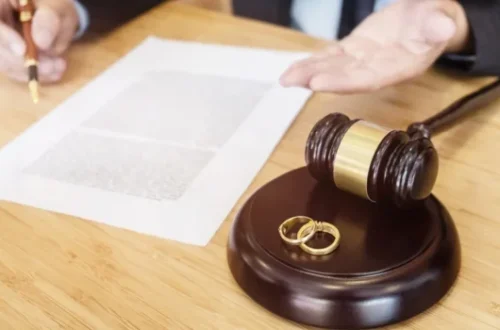
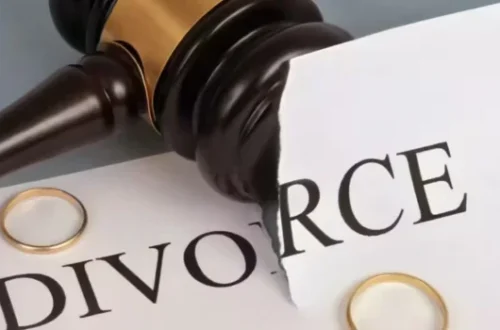
Divorce can be complicated, especially when it comes to dividing assets, spousal support, and retirement benefits. In California, one concept that often comes up in discussions among divorcing couples and attorneys is the so-called “10-year rule.” If you’ve heard this term and wondered what it means, this guide will explain it clearly, in plain language, while also covering its practical implications for law practices.
What is the “10-Year Rule” in California Divorce?

The “10-year rule” isn’t a formal law written in the California Family Code. Instead, it is a common shorthand used by lawyers and financial experts when discussing spousal support (alimony) and retirement benefits. Essentially, it relates to how the length of a marriage affects spousal support and pension rights.
Key points:
- Duration Matters for Spousal Support
- California law distinguishes between short-term and long-term marriages.
- Short-term marriage: Typically less than 10 years. Spousal support is often limited in duration.
- Long-term marriage: Typically 10 years or longer. Courts often view these as long-term marriages, which may affect support and retirement division.
- Impact on Retirement Benefits
- California follows community property law, meaning most assets acquired during marriage are split equally.
- For pensions, the “10-year rule” often refers to a guideline used to determine the portion of retirement benefits considered marital property versus separate property.
Spousal Support and the 10-Year Rule
Spousal support in California is influenced by factors like the length of the marriage, age, health, and earning capacity. Here’s how the 10-year benchmark comes into play:
- Marriage Under 10 Years
- Courts often award temporary or limited-duration support, typically half the length of the marriage.
- For example, a 6-year marriage may result in spousal support for 3 years, depending on other factors.
- Marriage 10 Years or Longer
- Often considered a long-term marriage, meaning courts may award indefinite or permanent support until either spouse dies or the supported spouse remarries.
- This is not automatic—courts still consider income, contributions, and lifestyle—but the 10-year mark is a significant factor.
Division of Retirement Benefits
California is a community property state, so retirement benefits earned during the marriage are typically split equally. The “10-year rule” often comes up in:
- Qualified Domestic Relations Orders (QDROs)
- A QDRO allows a court to divide retirement benefits from pensions, 401(k)s, or other qualified plans.
- If a couple has been married for 10 years or more, the non-employee spouse often has a stronger claim to a portion of the pension earned during the marriage.
- Community vs. Separate Property
- Assets earned before or after the marriage are generally considered separate property.
- The 10-year benchmark sometimes helps courts determine whether a long-term marriage has created a stronger claim on the full retirement interest.
Key Legal Considerations
- No Automatic Rules
- The 10-year rule is a guideline, not a law. Courts look at the entire context of the marriage.
- Other factors like contributions to household, sacrifices for children, and career interruptions also influence spousal support and asset division.
- Temporary vs. Permanent Support
- Even in marriages over 10 years, support is not guaranteed for life. Courts evaluate financial needs and ability to pay.
- Prenuptial Agreements
- If a prenup exists, it can override the default 10-year assumptions regarding spousal support or retirement division.
- Tax Implications
- Spousal support is taxable to the recipient and deductible for the payer under federal law (though California doesn’t tax it).
- Retirement division through a QDRO avoids immediate taxation but may affect future retirement income.
Practical Tips for Everyday Users
- Understand Your Marriage Duration: If your marriage is approaching or exceeding 10 years, be aware that spousal support may be more significant.
- Document Contributions: Keep track of career sacrifices, household management, and support for children—these affect spousal support calculations.
- Review Retirement Plans: Understand how pensions, 401(k)s, and other retirement assets are treated under California’s community property rules.
- Seek Legal Advice Early: A family law attorney can help clarify how your marriage length impacts support and property division.
Why Lawyers Need to Know This
For attorneys, the “10-year rule” is a useful guideline in:
- Predicting Court Outcomes – Helps set realistic expectations for clients about spousal support duration.
- Retirement Division Strategy – Guides QDRO preparation and negotiation of asset splits.
- Settlement Negotiations – Long-term marriages often involve more complex settlements, including ongoing support and retirement interests.
- Client Education – Explaining the practical implications of marriage duration prevents surprises during divorce proceedings.
Common Myths About the 10-Year Rule
- Myth 1: All marriages over 10 years get permanent support.
Fact: Courts still consider income, earning capacity, and other financial factors. - Myth 2: Shorter marriages get no support.
Fact: Spousal support may still be awarded in short-term marriages, but usually for a limited duration. - Myth 3: Retirement division is automatic.
Fact: Only retirement benefits earned during the marriage are subject to division. QDROs are needed for proper legal enforcement.
Conclusion
The “10-year rule” in California divorce law is less a law and more a practical guideline used to assess spousal support and retirement rights. While it doesn’t guarantee indefinite support or equal retirement division, it is a significant benchmark that can influence court decisions.
Whether you are an everyday user navigating a divorce or a legal professional planning settlements, understanding the implications of a 10-year marriage helps ensure fairness, clarity, and proper financial planning.
FAQ: California Divorce Law 10-Year Rule
Q1: Is the 10-year rule a formal law?
A: No, it’s a guideline used by lawyers and courts to assess spousal support and retirement division.
Q2: Does a marriage over 10 years guarantee permanent spousal support?
A: Not necessarily. Courts evaluate all financial factors and contributions before awarding support.
Q3: What if the marriage is less than 10 years?
A: Spousal support may be awarded for a limited duration, often half the length of the marriage.
Q4: How does the 10-year rule affect retirement benefits?
A: Long-term marriages may strengthen claims on retirement assets accumulated during the marriage, usually through a QDRO.
Q5: Can a prenup override the 10-year rule?
A: Yes, a valid prenuptial agreement can change how spousal support or retirement assets are divided.