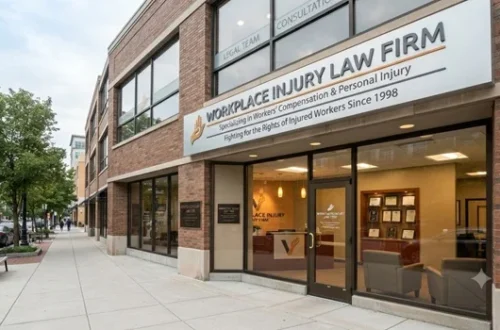
A workplace injury can create immediate medical expenses, missed paychecks, and uncertainty about whether you will be able to return to your job. For serious injuries, the financial consequences can continue long after the initial accident.
A work injury law firm helps injured employees understand their legal options after an accident, occupational illness, or other work-related injury. Depending on the circumstances, an attorney may assist with a workers’ compensation claim, a third-party personal injury claim, or another type of workplace-related legal matter.
Workers’ compensation systems generally provide benefits for eligible work-related injuries and illnesses. For private-sector and state or local government employees, workers’ compensation is generally administered at the state level, while certain categories of workers are covered by federal programs.
What Is a Work Injury?
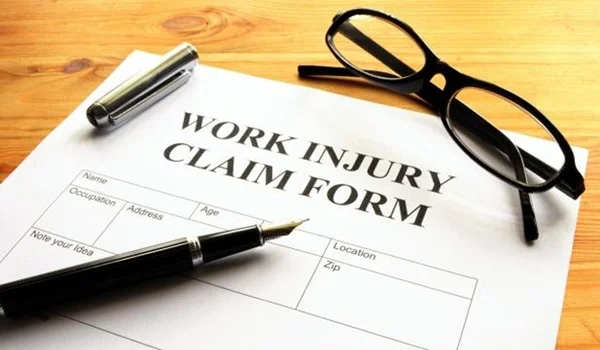
A work injury is an injury or illness connected to a person’s employment or workplace.
Work injuries can happen suddenly, such as in an accident, or develop gradually because of working conditions.
Examples include:
- Construction accidents
- Machinery accidents
- Slip-and-fall accidents
- Falls from heights
- Workplace vehicle accidents
- Truck and delivery accidents
- Repetitive-motion injuries
- Back and neck injuries
- Shoulder and knee injuries
- Broken bones
- Burns
- Head and brain injuries
- Spinal cord injuries
- Occupational illnesses
- Exposure-related conditions
- Hearing damage
The legal options available depend on how the injury occurred, the worker’s employment status, the employer, the location, and applicable state or federal law.
Common Types of Workplace Injury Cases
A work injury law firm may handle many different types of cases.
| Type of Injury | Common Examples |
| Construction injury | Falls, scaffolding accidents, equipment accidents |
| Factory injury | Machinery, manufacturing and production accidents |
| Warehouse injury | Forklift accidents, falling objects and lifting injuries |
| Office injury | Falls, ergonomic injuries and repetitive strain |
| Trucking injury | Loading accidents and transportation-related injuries |
| Delivery injury | Vehicle accidents, falls and lifting injuries |
| Industrial injury | Chemical exposure, machinery and equipment accidents |
| Restaurant injury | Burns, cuts, slips and lifting injuries |
| Healthcare injury | Patient-handling injuries, slips and workplace violence |
| Repetitive-use injury | Carpal tunnel, tendon and muscle injuries |
Some cases involve a single workplace accident, while others involve conditions that develop over months or years.
Workers’ Compensation vs. Personal Injury Claim
One of the most important concepts in a work injury case is understanding the difference between workers’ compensation and a traditional personal injury lawsuit.
Workers’ compensation generally provides benefits for qualifying work-related injuries without requiring the employee to establish that the employer was negligent in the same way a traditional negligence lawsuit would.
Depending on the state and circumstances, benefits may include:
- Medical treatment
- Partial wage replacement
- Disability benefits
- Vocational rehabilitation
- Certain benefits for dependents following a work-related death
The U.S. Department of Labor identifies medical treatment, wage replacement, and vocational rehabilitation among benefits provided through applicable workers’ compensation programs.
A separate personal injury claim may sometimes be possible when a third party contributed to the accident.
For example, a construction worker injured by defective equipment might potentially have:
Workers’ compensation claim + separate claim against a responsible third party
Whether both claims are available depends on the facts and applicable law.
What Does a Work Injury Lawyer Do?
A work injury attorney may assist with several stages of a claim.
- Reviews How the Accident Happened
The lawyer may investigate:
- Where the accident occurred
- What the employee was doing
- What equipment was involved
- Whether witnesses were present
- Whether safety procedures were followed
- Whether another company or contractor was involved
- Whether the accident was reported
- What medical treatment followed
This investigation can help determine which legal claims may be available.
- Helps With Workers’ Compensation
A lawyer may help an injured employee understand:
- How to report the injury
- Which medical treatment may be covered
- Wage-loss benefits
- Temporary disability benefits
- Permanent disability issues
- Disputed claims
- Denied claims
- Appeals and hearings
The exact benefits and procedures differ by state.
The U.S. Department of Labor specifically directs private-sector and state/local government employees to their applicable state workers’ compensation programs.
- Investigates Third-Party Liability
Sometimes the employer is not the only potentially responsible party.
A third-party claim might arise from:
- Defective machinery
- A negligent driver
- A subcontractor’s conduct
- A property owner’s negligence
- A dangerous product
- Negligent maintenance
- Another company’s workplace activities
The availability of such a claim depends on the circumstances and applicable law.
- Collects Evidence
Evidence can be especially important when an employer, insurance company, or another party disputes the circumstances of an accident.
A lawyer may collect:
- Accident reports
- Photographs
- Video footage
- Witness statements
- Medical records
- Employment records
- Pay records
- Safety documentation
- Equipment records
- Inspection reports
- Training records
- OSHA-related information
- Insurance documents
Common Workplace Accidents
Falls
Falls are a common category of workplace accident and can result in:
- Broken bones
- Head injuries
- Back injuries
- Spinal injuries
- Internal injuries
- Permanent disability
Falls from ladders, roofs, scaffolding, platforms, and other elevated locations can be particularly serious.
Machinery Accidents
Workers operating or working near machinery can suffer severe injuries involving:
- Crushing
- Amputation
- Lacerations
- Burns
- Fractures
- Electrocution
- Other traumatic injuries
OSHA administers workplace safety requirements for many industries, although some workers and industries fall under different regulatory systems.
Vehicle Accidents
Employees who drive as part of their jobs may be injured in:
- Delivery vehicle crashes
- Commercial truck accidents
- Company vehicle collisions
- Forklift accidents
- Construction vehicle accidents
A crash can potentially create both workers’ compensation issues and a third-party claim.
Repetitive Motion Injuries
Not every work injury happens suddenly.
Repeated movements can contribute to injuries involving:
- Wrists
- Hands
- Shoulders
- Elbows
- Knees
- Back
These cases may require medical evidence connecting the condition to workplace activities.
Occupational Illness
Some workers develop illnesses because of workplace exposure or conditions.
Potential examples include exposure involving:
- Chemicals
- Dust
- Toxic substances
- Noise
- Radiation
- Other hazardous workplace conditions
The applicable compensation program depends on the worker and the nature of the condition.
What Compensation Can a Work Injury Claim Provide?
The benefits available depend on the applicable workers’ compensation system or other legal claim.
Potential workers’ compensation benefits may include:
Medical Treatment
This can potentially include reasonable treatment related to an accepted work injury, subject to the applicable rules.
Examples include:
- Emergency care
- Hospital treatment
- Surgery
- Diagnostic testing
- Physical therapy
- Prescription medication
- Follow-up treatment
Wage Replacement
An injured worker who cannot work may qualify for wage-loss or disability benefits depending on the applicable workers’ compensation system.
Temporary Disability Benefits
If a worker is temporarily unable to perform their job, certain systems may provide temporary disability benefits.
Permanent Disability Benefits
Some serious injuries may result in permanent impairment or disability benefits where permitted by applicable law.
Vocational Rehabilitation
Some workers’ compensation systems may provide vocational rehabilitation or assistance when an injured employee cannot return to the previous job.
Death Benefits
When a worker dies from a qualifying workplace injury or illness, eligible dependents may potentially receive benefits.
Federal workers’ compensation programs administered by the Department of Labor include benefits for certain dependents of workers who die from covered work-related injuries or illnesses.
How Much Is a Work Injury Claim Worth?
There is no universal settlement amount for a workplace injury.
The value of a claim can depend on:
- Type of injury
- Severity of injury
- Medical expenses
- Duration of disability
- Lost wages
- Permanent impairment
- Ability to return to work
- Future earning capacity
- Future medical treatment
- Applicable workers’ compensation rules
- Whether a third-party claim exists
- Insurance coverage
- State law
Workers’ compensation benefits are generally determined under statutory rules rather than simply calculating the amount of pain and suffering as would potentially occur in some personal injury claims.
A separate third-party personal injury claim can involve different categories of damages depending on the applicable law.
What If the Workers’ Compensation Claim Is Denied?
A denied claim does not necessarily mean that the worker has no legal options.
Depending on the state, an injured employee may have procedures to:
- Request reconsideration
- File an appeal
- Attend a workers’ compensation hearing
- Submit additional medical evidence
- Challenge the insurer’s position
- Obtain legal representation
USAGov notes that workers’ compensation claims can be appealed when denied.
Because deadlines for disputes and appeals can be strict, an injured worker should review the denial carefully and determine what deadline applies.
Can I Sue My Employer for a Work Injury?
This is a complicated question because workers’ compensation systems generally operate differently from ordinary personal injury lawsuits.
In many situations, workers’ compensation is the primary remedy against an employer for a covered workplace injury, subject to state-specific exceptions and rules.
However, there may be circumstances involving:
- Third-party negligence
- Intentional conduct
- Special statutory exceptions
- Employer status disputes
- Independent-contractor issues
The exact answer depends heavily on state law.
For this reason, an employee should not assume either that they can always sue their employer or that workers’ compensation is their only possible legal remedy.
Third-Party Work Injury Claims
A third-party claim can become important when someone other than the employer may have caused or contributed to the accident.
Examples include:
Defective Equipment
If defective machinery or equipment caused the injury, a product-liability claim may potentially exist.
Negligent Driver
A worker injured in a vehicle accident caused by another driver may potentially have a claim against that driver.
Property Owner
A worker injured because of a dangerous condition on another company’s property may potentially have a claim against the property owner or another responsible party.
Contractor or Subcontractor
Construction projects often involve multiple companies working at the same location. The conduct of another contractor may potentially contribute to a worker’s injury.
Third-party claims can have different damages and legal requirements from workers’ compensation claims.
Evidence to Preserve After a Work Injury
If possible, injured workers should preserve relevant information.
| Evidence | Why It May Matter |
| Accident report | Documents the incident |
| Medical records | Establishes injury and treatment |
| Photographs | Shows accident scene and conditions |
| Video footage | May capture the accident |
| Witness information | Identifies people who observed the event |
| Pay records | Helps document lost wages |
| Employment records | Establishes work status |
| Safety documents | May provide information about workplace conditions |
| Equipment information | Helps identify machinery or products involved |
| Insurance documents | Identifies potentially applicable coverage |
Workers should also follow appropriate medical treatment and keep records of appointments and restrictions.
What Should You Do Immediately After a Work Injury?
After a workplace accident, consider taking the following steps where appropriate:
Report the Injury
Follow the applicable workplace reporting procedures as soon as possible.
Seek Medical Attention
Serious injuries should receive prompt medical evaluation.
Document What Happened
Write down:
- Date and time
- Location
- What happened
- Who was present
- Equipment involved
- How the injury occurred
Photograph the Scene
If safe and practical, photographs may help document workplace conditions.
Keep Medical and Employment Records
Maintain copies of relevant records, bills, work restrictions, and wage information.
Avoid Guessing About the Cause
When reporting the accident, provide an accurate description of what happened rather than speculating about facts you do not know.
Consider Legal Advice
If the injury is serious, the claim is disputed, benefits are denied, or another party may be responsible, a work injury attorney can explain the legal options that may apply.
How to Choose a Work Injury Law Firm
When comparing attorneys, consider:
Workers’ Compensation Experience
Look for a lawyer who regularly handles workplace injury claims rather than someone who rarely handles workers’ compensation matters.
Experience With Serious Injuries
If the injury involves permanent disability, brain injury, spinal injury, or amputation, experience with complex injury cases can be relevant.
Third-Party Claim Experience
Ask whether the firm investigates potential claims against parties other than the employer.
Knowledge of State Law
Workers’ compensation systems are largely state-specific for private and state/local government employees.
Communication
Ask:
- Who will handle the case?
- How will updates be provided?
- Who can answer questions?
- How does the firm handle medical records?
- How are disputes with insurers addressed?
Questions to Ask a Work Injury Lawyer
Before hiring an attorney, consider asking:
- Do you regularly handle workers’ compensation cases?
- Have you handled injuries similar to mine?
- What benefits may be available?
- Was my injury reported correctly?
- Has my employer or insurer disputed my claim?
- Could a third party be responsible?
- Can I pursue a separate personal injury claim?
- What deadlines apply?
- How are your legal fees calculated?
- What happens if my claim is denied?
- Who will handle my case?
- What evidence should I preserve?
How Work Injury Lawyers Charge
Workers’ compensation attorney-fee arrangements can differ from ordinary personal injury contingency agreements, and the rules vary by jurisdiction.
Some workers’ compensation systems regulate attorney fees or require approval of fees.
Before signing a representation agreement, ask specifically about:
- Attorney fees
- Case expenses
- Medical-record costs
- Expert fees
- Court or hearing costs
- Whether fees require approval
- How fees are calculated
- Whether a separate third-party claim has different fees
Always review the written agreement carefully.
Work Injury Statute of Limitations and Deadlines
Work injury cases can involve several different deadlines.
These may include deadlines for:
- Reporting an injury to the employer
- Filing a workers’ compensation claim
- Challenging a denied claim
- Appealing a workers’ compensation decision
- Filing a third-party lawsuit
The deadlines vary significantly by jurisdiction and by the type of claim.
The U.S. Department of Labor provides a directory of state workers’ compensation officials because state programs handle workers’ compensation matters for many private-sector and state/local government employees.
Federal employees and certain specialized workers may instead fall under federal workers’ compensation programs administered by the Department of Labor’s Office of Workers’ Compensation Programs.
Work Injury Lawyer Near Me
People searching for legal assistance may use terms such as:
- Work injury lawyer near me
- Workplace injury attorney
- Workers’ compensation lawyer
- Workers’ comp attorney near me
- Work accident lawyer
- Job injury lawyer
- On-the-job injury attorney
- Employee injury lawyer
- Construction injury lawyer
- Workplace accident law firm
- Work injury law firm
- Workers’ compensation law firm
- Work accident attorney near me
Because workers’ compensation rules differ between jurisdictions, local legal research can be particularly important.
Frequently Asked Questions
What does a work injury lawyer do?
A work injury lawyer can help an injured employee understand workers’ compensation benefits, investigate the accident, gather evidence, challenge disputed claims, and determine whether another party may also be legally responsible.
Does every workplace injury qualify for workers’ compensation?
Eligibility depends on the applicable workers’ compensation law and the facts of the injury. Generally, the injury or illness must have a sufficient connection to the worker’s employment.
Can I receive workers’ compensation if the accident was my fault?
Workers’ compensation systems generally operate differently from ordinary negligence lawsuits, and benefits may be available even when an employee’s own mistake contributed to an accident. However, specific rules and exceptions vary by state.
Can I sue someone other than my employer?
Potentially. If a third party contributed to the workplace injury, a separate claim may be possible depending on the circumstances and applicable law.
What if my employer says the injury did not happen at work?
An attorney may help gather evidence such as medical records, witness statements, accident reports, work records, and other documentation to address a disputed claim.
Can I be fired for reporting a workplace injury?
Workplace retaliation can raise separate legal issues. OSHA states that its whistleblower protections can protect workers from certain adverse actions for engaging in protected activity, although the specific protection depends on the circumstances and applicable law.
How long does a workers’ compensation case take?
There is no standard timeline. A straightforward claim may proceed differently from a case involving disputed liability, significant medical treatment, permanent disability, or an appeal.
Should I hire a lawyer for a minor workplace injury?
Not every minor injury requires an attorney. However, legal advice can become particularly useful if the injury is serious, benefits are denied, the employer disputes the claim, permanent disability is possible, or another party may be responsible.
Conclusion
A workplace injury can affect an employee’s health, income, employment, and future financial security. A work injury law firm can help an injured worker understand workers’ compensation benefits, deal with disputed claims, gather evidence, and investigate whether a separate third-party claim may be available.
Because workers’ compensation systems are largely state-specific for private and state/local government employees, the rules governing benefits, deadlines, appeals, and attorney fees can differ significantly.
For serious injuries or disputed claims, understanding the applicable legal deadlines and available sources of compensation can be an important first step.
Legal Disclaimer: This article is for general informational and educational purposes only and does not constitute legal advice. Workers’ compensation and personal injury laws vary by state, employment status, and individual circumstances. Federal rules may apply to certain categories of workers. Consult a licensed attorney in the relevant jurisdiction for advice about a specific workplace injury.