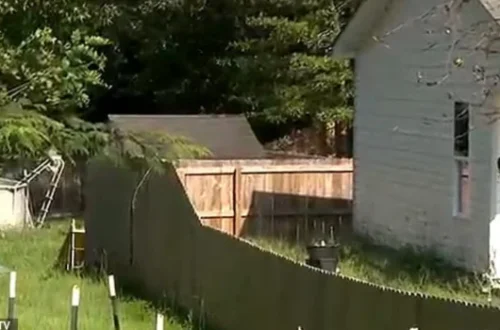
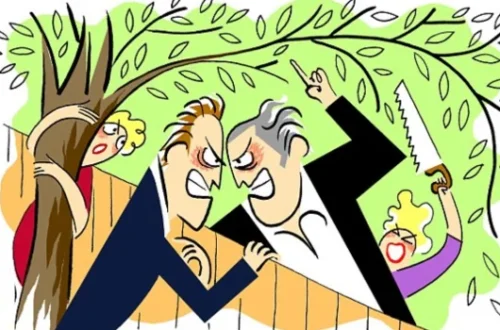
Few things strain neighbor relationships more than property line disputes. A misplaced fence, an overhanging tree, or a driveway that crosses boundaries can quickly escalate into a legal headache. Understanding the law and practical solutions is essential for resolving disputes efficiently and protecting your property.
This guide explains the causes, legal framework, and steps for handling neighbor property line disputes in the United States.
What Is a Neighbor Property Line Dispute?

A property line dispute occurs when two or more neighbors disagree about the boundary of their properties. These disputes typically involve:
- Fences, walls, or hedges
- Driveways or walkways
- Trees, shrubs, or landscaping
- Garages, sheds, or decks
- Easements or shared access rights
In legal terms, these disputes fall under real property law, and they may involve claims of trespass, encroachment, or adverse possession.
Common Causes of Property Line Disputes
- Fence Placement
A neighbor installs a fence several inches over the line. Over time, this small error can escalate into a conflict.
- Trees and Landscaping
Tree roots, branches, or overgrown hedges can encroach on neighboring property.
- Driveways and Structures
Shared driveways, garages, or sheds built without accurate surveys can cross property lines.
- Easement Misunderstandings
Neighbors may disagree on rights-of-way for utilities, access, or shared spaces.
- Survey Errors or Missing Surveys
Many older properties lack precise surveys, making boundaries unclear.
Legal Principles in Neighbor Property Line Disputes
When informal resolution fails, legal claims are usually based on:
Trespass
A neighbor physically enters your property without permission, even if temporarily.
Encroachment
A structure, fence, or object intrudes onto your land.
Adverse Possession
A neighbor may claim ownership if they occupy part of your land openly, continuously, and without your objection for a statutory period.
Quiet Title
A lawsuit to clarify ownership or resolve boundary uncertainties.
How Courts Determine Property Boundaries
Courts consider several factors:
- Deeds and Legal Descriptions – These are the primary source for boundaries.
- Recorded Maps or Plats – Subdivision maps can clarify lot lines.
- Surveys by Licensed Surveyors – Critical in disputes.
- Physical Markers – Stakes, fences, or monuments.
- Long-Term Use or Agreement – Sometimes courts recognize boundaries agreed upon over time (boundary by acquiescence).
Steps to Resolve a Neighbor Property Line Dispute
- Check Your Deed and Survey
Confirm your property lines and identify potential overlaps.
- Talk to Your Neighbor
Calm, respectful communication can prevent escalation.
- Hire a Professional Surveyor
A licensed surveyor provides authoritative evidence of the boundary.
- Document Everything
Take photos, measure distances, and keep written records.
- Consider Mediation
Neutral third parties can help reach agreements without litigation.
- Consult a Real Estate Attorney
Legal advice ensures your rights are protected, especially for trespass or encroachment claims.
Remedies Available in Court
If disputes go to court, remedies may include:
- Injunctions – Court orders requiring the removal of an encroachment
- Damages – Compensation for loss or property devaluation
- Quiet Title Judgment – Clarifies legal ownership of disputed property
- Boundary Agreements – Courts may enforce agreements or adjustments
Courts prefer settlements when possible, as litigation is costly and stressful.
Adverse Possession Considerations
Adverse possession claims can complicate neighbor disputes:
- The neighbor must use the land openly, continuously, and exclusively for the statutory period (varies by state, typically 5–20 years).
- Payment of property taxes may be required in some states.
- Acting early to assert your rights is critical to prevent adverse possession.
Trees and Landscaping in Neighbor Disputes
- Branches overhanging your property can usually be trimmed, but you cannot harm the tree.
- Roots causing damage may give you legal grounds for remedies.
- Jointly planted trees on boundaries are often considered shared property.
Title Insurance and Neighbor Disputes
- Standard title insurance usually does not cover boundary disputes unless tied to a title defect in public records.
- Enhanced coverage may include certain encroachments, but it varies by policy.
Frequently Asked Questions (FAQ)
Q: Can a neighbor build a fence on my property without permission?
A: No. Even a small encroachment can be a trespass.
Q: How long do I have to act if a neighbor encroaches?
A: Check your state’s statute of limitations; typically 3–5 years for trespass, longer for adverse possession.
Q: Can I trim my neighbor’s tree?
A: You may trim overhanging branches but cannot damage the tree.
Q: Is mediation effective?
A: Yes, many disputes are resolved faster and cheaper through mediation.
Q: Do I need a lawyer for a small fence dispute?
A: Not always, but legal advice is important if the neighbor refuses to cooperate or if the dispute may affect property value.
Best Practices to Avoid Neighbor Disputes
- Always conduct a survey before buying property.
- Maintain open communication with neighbors.
- Document any agreed-upon boundaries in writing.
- Address disputes promptly to avoid escalation or adverse possession.
- Consult legal counsel if the situation escalates.
Final Thoughts
Neighbor property line disputes are stressful but manageable. The key is early action, clear documentation, and professional guidance. Whether through negotiation, mediation, or litigation, homeowners and law practices benefit from understanding the legal principles and remedies available.
When it comes to property boundaries, clarity, communication, and timely action are the best defenses.