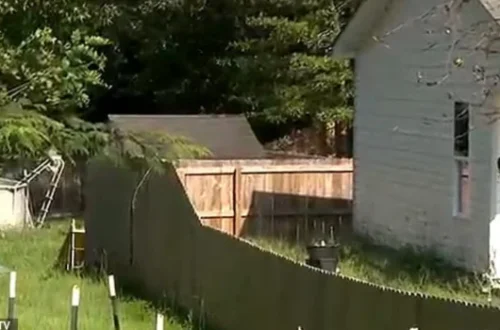
Property line disputes are common in Florida, especially in neighborhoods with older homes, coastal properties, shared driveways, and rapidly developing areas. A disagreement over a few feet of land can quickly turn into a stressful and expensive legal battle if not handled correctly.
This article explains Florida property line dispute laws in simple terms, including common causes, legal principles, how courts decide these cases, and what homeowners and lawyers should know.
What Is a Property Line Dispute?

A property line dispute happens when two or more landowners disagree about where one property ends and another begins.
These disputes often involve:
- Fences or walls
- Driveways or walkways
- Trees or landscaping
- Sheds, pools, or additions
- Access paths or easements
In Florida, even small boundary disagreements can have big consequences due to land value.
Common Causes of Property Line Disputes in Florida
Florida property line disputes often arise because of:
- Inaccurate or Old Surveys
Older surveys may not match current land use or records.
- Fences or Structures in the Wrong Place
A fence may have been installed without a proper survey.
- Encroachments
One owner’s structure extends onto a neighbor’s land.
- Easement Confusion
Utility or access easements are misunderstood or ignored.
- Natural Changes
Coastal erosion, shifting shorelines, and wetlands can alter boundaries.
How Florida Law Determines Property Boundaries
Florida courts rely on legal documents and physical evidence, not assumptions.
Priority of Evidence (Simplified)
- Legal descriptions in deeds
- Recorded plats and surveys
- Physical monuments (markers, stakes)
- Historical usage and possession
A professional survey is often the deciding factor.
Role of Surveys in Florida Boundary Disputes
In most cases, a licensed Florida land surveyor is essential.
A survey:
- Confirms legal property lines
- Identifies encroachments
- Is admissible evidence in court
Without a survey, boundary claims are weak.
Encroachments Under Florida Law
An encroachment occurs when:
- A fence, driveway, building, or structure crosses the property line
Florida courts consider:
- How long the encroachment has existed
- Whether it was intentional
- Whether it causes harm
Courts may order removal or compensation.
Adverse Possession in Florida
Florida allows ownership claims through adverse possession, but the rules are strict.
To claim land through adverse possession, a person must:
- Openly and continuously use the land
- Do so for 7 years
- Pay property taxes on the land
- Have a valid recorded claim (for most cases)
Simply mowing or using land casually is not enough.
Boundary by Acquiescence (Informal Boundaries)
Sometimes neighbors treat a boundary (like a fence) as the property line for many years.
Florida courts may recognize this if:
- Both parties accepted the line
- The acceptance lasted a long time
- There was uncertainty about the true boundary
This is harder to prove than people think.
Easements and Shared Access Issues
Many Florida disputes involve:
- Shared driveways
- Beach access
- Utility easements
An easement grants use, not ownership. Misuse or blocking an easement can lead to lawsuits.
Can You Move or Remove a Neighbor’s Fence?
Not without legal risk.
Even if the fence is on your land:
- Self-help removal may lead to liability
- Court approval or agreement is safer
Florida law discourages taking matters into your own hands.
How Florida Courts Resolve Property Line Disputes
Courts may:
- Order a new survey
- Declare the correct boundary
- Require removal of encroachments
- Award damages or compensation
- Issue injunctions
Judges often encourage settlement before trial.
Alternatives to Going to Court
Litigation is expensive. Alternatives include:
- Negotiation
- Mediation
- Boundary agreements
- Property line adjustments
Many Florida courts require mediation before trial.
Statute of Limitations in Florida
Deadlines vary depending on the claim:
- Adverse possession: 7 years
- Trespass or encroachment: Typically 4 years
Delay can weaken your legal position.
What Homeowners Should Do First
- Review your deed and title documents
- Hire a licensed surveyor
- Document the dispute
- Talk calmly with your neighbor
- Consult a Florida real estate attorney
Early action often prevents escalation.
Title Insurance and Florida Property Line Disputes
Title insurance may help only if the dispute involves a title defect in public records. Most physical boundary disputes are not covered.
Consequences of Ignoring a Property Line Dispute
Ignoring the issue can lead to:
- Loss of land rights
- Court orders to remove structures
- Increased legal costs
- Reduced property value
- Difficulty selling or refinancing
Frequently Asked Questions (FAQ)
Is a fence the legal property line in Florida?
No. The deed and survey control, not the fence.
Can I claim land my neighbor hasn’t used?
Only under strict adverse possession rules.
Can trees cause property disputes?
Yes, especially when roots or branches cross boundaries.
Should I hire a lawyer or surveyor first?
Usually a surveyor first, then a lawyer.
Are HOA rules relevant?
Yes. HOAs may impose additional restrictions.
Final Thoughts
Property line disputes in Florida are legal, technical, and emotional. The law focuses on documents, surveys, and long-term use—not assumptions or convenience.
For homeowners, the best defense is knowledge and early action. For law practices, understanding Florida’s unique land laws—especially adverse possession and coastal issues—is essential.
When it comes to property boundaries in Florida, clarity today prevents conflict tomorrow.