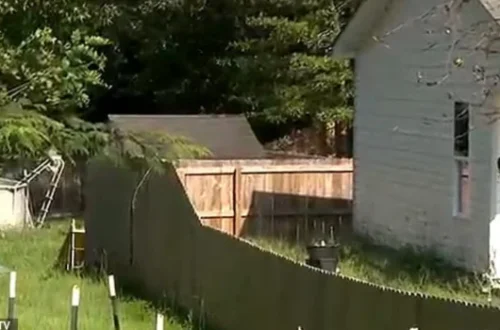
Property line disputes can turn a dream home into a legal nightmare. A neighbor claims your fence is on their land. A survey reveals your driveway crosses a boundary. Or a city permit is denied because a structure sits outside your lot.
When this happens, many homeowners ask the same question:
Does title insurance cover property line disputes?
The short answer is: sometimes—but not always.
This article explains how title insurance works, when it may cover boundary disputes, when it usually does not, and what homeowners and law practices should know to avoid costly surprises.
What Is Title Insurance, in Simple Terms?

Title insurance protects against ownership problems related to a property’s legal title.
Unlike homeowners insurance (which covers future events like fires or storms), title insurance looks backward. It protects against problems that already existed before you bought the property—but were not discovered at closing.
What Title Insurance Is Designed to Cover
A standard owner’s title insurance policy may cover:
- Errors in public records
- Unknown liens or unpaid taxes
- Forged or fraudulent deeds
- Missing heirs or ownership claims
- Easement issues affecting ownership
But property line disputes fall into a gray area.
Are Property Line Disputes Covered by Title Insurance?
The General Rule
Title insurance does NOT automatically cover all property line disputes.
Coverage depends on:
- The type of dispute
- Whether the issue appears in public records
- The specific policy language
- Whether a survey was done
Some disputes are covered. Many are excluded.
When Title Insurance MAY Cover a Property Line Dispute
Title insurance may provide coverage if the dispute involves a title defect, not just a physical boundary disagreement.
- Boundary Errors in Public Records
If official records incorrectly describe your property boundaries, and you relied on those records when buying the property, title insurance may help.
Example:
The deed shows your lot is 100 feet wide, but a prior recording error reduced it to 90 feet without notice.
- Encroachments That Affect Title Rights
If a neighbor’s structure legally interferes with your ownership rights—and the issue existed before you bought the property—coverage may apply.
Example:
A recorded easement allowing shared access is missing or misdescribed.
- Undisclosed Easements or Rights-of-Way
If someone else has a legal right to use part of your land and it was not disclosed, title insurance may cover defense costs or losses.
When Title Insurance Usually Does NOT Cover Property Line Disputes
Most boundary disputes fall under common exclusions.
- Survey and Boundary Issues Not in Public Records
If the problem would have been discovered by a survey, it is often excluded.
Example:
A fence or shed crosses the boundary but was visible at purchase.
- Disputes Arising After Purchase
Title insurance does not cover problems that begin after you buy the property.
- Neighbor Disagreements Without Title Defects
Simple disagreements over where the line “should be” are usually not covered unless tied to a recorded legal issue.
- Matters You Were Aware of
If you knew about the boundary issue before closing, coverage is typically denied.
What About Extended or Enhanced Title Insurance?
Some homeowners purchase enhanced or extended coverage, which may offer broader protection.
Enhanced policies may cover:
- Certain encroachments
- Boundary conflicts revealed by surveys
- Post-policy forgery issues
However, not all enhanced policies are the same, and coverage still has limits.
Why Surveys Matter So Much
A professional land survey is one of the best ways to prevent property line disputes.
Without a survey:
- Title insurers may exclude boundary coverage
- Buyers assume risk unknowingly
- Legal options become more limited
Many disputes could be avoided with a survey at purchase.
What To Do If You Have a Property Line Dispute
Step 1: Review Your Title Policy Carefully
Look for exclusions related to boundaries and surveys.
Step 2: Contact Your Title Insurance Company
File a claim promptly and provide documentation.
Step 3: Obtain a Survey
A current survey often clarifies the dispute.
Step 4: Consult a Real Estate or Property Lawyer
Legal advice helps determine whether title insurance applies.
What Title Insurance May Actually Pay For
If coverage applies, title insurance may cover:
- Legal defense costs
- Settlement expenses
- Loss of property value
- Court-ordered corrections
It usually does not cover emotional stress or neighbor conflicts.
Civil Law Perspective: Why Coverage Is Limited
Title insurance is designed to protect ownership rights, not physical land use disputes. Courts often distinguish between:
- Title defects (insurance territory)
- Possession and boundary issues (civil litigation territory)
Understanding this distinction is critical for homeowners and attorneys.
Common Myths About Title Insurance and Boundary Disputes
Myth: “Title insurance covers all property disputes.”
Truth: Coverage is limited and specific.
Myth: “A fence proves ownership.”
Truth: Legal boundaries control, not fences.
Myth: “If it’s in my yard, it’s mine.”
Truth: Surveys and deeds matter more than appearance.
Frequently Asked Questions (FAQ)
Does title insurance cover fence disputes?
Usually no, unless tied to a title defect in public records.
Will title insurance pay for a survey?
Typically no.
Can I add coverage after buying the property?
Usually not, unless upgrading an existing policy.
Is title insurance required?
Not legally, but often required by lenders.
Should I hire a lawyer or contact the insurer first?
Review the policy first, then consult a lawyer if needed.
Final Thoughts
Title insurance can cover some property line disputes—but only when the issue involves a legal defect in the title, not just a physical disagreement with a neighbor.
For homeowners, the best protection is:
- A clear title policy
- A professional survey
- Early legal guidance
For law practices, understanding the fine line between title defects and boundary conflicts is essential when advising clients.
When it comes to property lines, clarity upfront is far cheaper than litigation later.