When people hear the word assault, they often think of physical violence—punches, injuries, or weapons. But in real life, harm doesn’t always leave bruises. Threats, intimidation, constant harassment, and psychological pressure can be just as damaging. This is where the idea of mental assault comes into play.
Although “mental assault” is not a formal legal term in most U.S. criminal codes, the law does recognize and punish conduct that causes serious emotional or psychological harm. This article explains how mental assault is treated under U.S. law, what crimes it usually falls under, and what victims and legal professionals should know.
What Is Mental Assault?
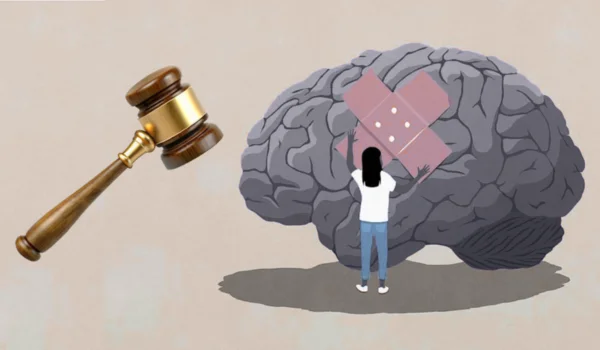
In simple terms, mental assault refers to intentional behavior that causes fear, emotional distress, or psychological trauma, even when there is no physical contact.
This can include:
- Threatening someone with harm
- Intimidation or coercion
- Repeated verbal abuse
- Harassment that causes emotional suffering
- Creating fear of immediate danger
U.S. law doesn’t ignore these actions—it just labels them differently under criminal and civil statutes.
How U.S. Law Handles Mental Assault
Instead of using the phrase mental assault, U.S. laws typically address this behavior under related legal categories such as:
- Criminal Assault (Threat-Based Assault)
In many states, assault does not require physical contact.
If someone:
- Intentionally threatens harm
- Has the ability to carry it out
- Causes the victim to reasonably fear immediate danger
That can be charged as criminal assault, even if no physical injury occurs.
Example:
A person angrily threatens to beat someone while moving toward them with a raised fist. Even without a hit, the fear caused can qualify as assault.
- Criminal Harassment
Harassment laws protect people from repeated or severe mental distress caused by another person.
Common examples include:
- Repeated threatening messages
- Constant abusive phone calls or texts
- Online harassment or cyberstalking
- Targeted intimidation campaigns
Many states treat harassment as a misdemeanor, but it can become a felony if it involves threats, weapons, or vulnerable victims.
- Stalking and Cyberstalking
Stalking laws specifically focus on ongoing psychological fear.
Stalking may involve:
- Following someone
- Monitoring their movements
- Sending repeated unwanted messages
- Making the victim feel unsafe or watched
Even online behavior (emails, DMs, social media threats) can qualify as cyberstalking, which is a serious criminal offense in many states.
- Criminal Threats (Terroristic Threats)
Some states use the term “criminal threats” or “terroristic threats” for severe mental intimidation.
This includes threats to:
- Kill or seriously harm someone
- Destroy property
- Cause public fear or panic
The key factor is intent—if the person intended to cause fear and the victim reasonably believed the threat, charges may apply.
- Domestic Mental Assault (Emotional Abuse)
In domestic violence cases, mental and emotional abuse is taken very seriously.
This may include:
- Threats toward a spouse or partner
- Controlling behavior
- Psychological manipulation
- Constant intimidation
Even without physical violence, courts may issue:
- Protective orders
- No-contact orders
- Criminal charges
Is Mental Assault a Crime or a Civil Matter?
It can be both.
Criminal Law
The government prosecutes the offender. Penalties may include:
- Jail or prison time
- Fines
- Probation
- Mandatory counseling
Civil Law
Victims may sue for:
- Emotional distress
- Mental anguish
- Loss of peace and safety
Civil cases focus on compensation, not punishment.
How Courts Decide Mental Assault Cases
Courts usually look at:
- Intent – Did the person mean to cause fear or distress?
- Reasonableness – Would a normal person feel threatened?
- Severity – How serious was the mental harm?
- Evidence – Messages, recordings, witnesses, medical records
- Pattern of Behavior – Was it repeated or escalating?
Mental harm is real—but it must be provable.
Evidence That Helps Prove Mental Assault
Strong evidence can include:
- Text messages, emails, voicemails
- Social media posts
- Witness statements
- Therapy or medical records
- Police reports
- Surveillance or call logs
For victims, documentation is critical.
Penalties for Mental Assault-Related Crimes
Penalties vary by state and charge but may include:
- Up to 1 year in jail for misdemeanors
- Multiple years in prison for felonies
- Fines ranging from hundreds to thousands of dollars
- Restraining or protective orders
- Loss of firearm rights
Repeat offenders face harsher consequences.
Defenses Commonly Used in Mental Assault Cases
Defendants may argue:
- No intent to threaten
- Statements were jokes or exaggerations
- Victim’s fear was unreasonable
- Lack of evidence
- First Amendment (free speech) protections
However, true threats are not protected speech.
What Victims Should Do Immediately
If you believe you are facing mental assault:
- Document everything
- Save all communications
- Avoid engaging with the offender
- Report to law enforcement
- Seek a protective order if needed
- Consult a criminal or civil attorney
Early action strengthens your case.
Why Mental Assault Laws Matter
Mental and emotional harm can:
- Cause anxiety and depression
- Disrupt daily life
- Damage relationships and careers
- Lead to long-term trauma
The law recognizes that psychological safety is just as important as physical safety.
Frequently Asked Questions (FAQ)
Is mental assault a real crime in the U.S.?
Yes. While not always called “mental assault,” the behavior is criminalized under assault, harassment, stalking, and threat laws.
Can someone go to jail without touching the victim?
Yes. Threats and intimidation alone can result in criminal charges.
Is verbal abuse always illegal?
No. But when it becomes threatening, repetitive, or fear-inducing, it can cross into criminal behavior.
Can I sue for emotional distress?
Yes, in many cases—especially if the conduct was extreme or intentional.
Do I need physical evidence?
Not always, but documentation greatly improves your chances.
Final Thoughts
Mental assault is real, harmful, and legally recognized—even if it doesn’t leave visible scars. U.S. law provides multiple ways to protect victims and hold offenders accountable.
If you’re facing psychological intimidation or emotional abuse, you are not powerless, and the law may be on your side.