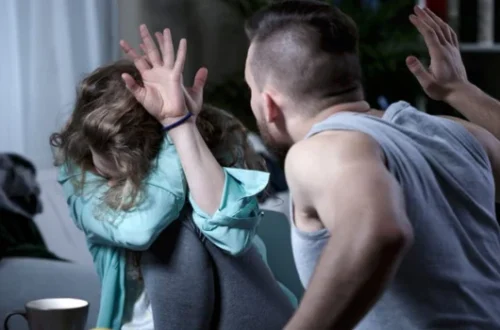
Domestic violence charges can sound scary—especially when you don’t fully understand what the law actually says. In South Carolina, Domestic Violence 3rd Degree is the lowest level domestic violence charge, but that does not mean it should be taken lightly.
If you or someone you care about is trying to understand domestic violence 3rd degree in South Carolina, this article explains it in clear, everyday language. No heavy legal jargon—just straightforward information about what the charge means, how it’s handled, and what consequences may follow.
What Is Domestic Violence 3rd Degree in South Carolina?

Domestic Violence 3rd Degree (often called DV 3rd Degree) is a misdemeanor offense under South Carolina law. It applies when someone is accused of harming—or attempting to harm—a household member.
This charge is used for less severe situations compared to higher domestic violence charges, but it still carries serious legal and personal consequences.
Who Counts as a “Household Member” in South Carolina?
Domestic violence laws apply only when the people involved have a specific relationship.
A household member includes:
- A current or former spouse
- Someone you live with or used to live with
- A romantic partner (current or former)
- Someone you have a child with
If the people involved do not fall into one of these categories, the charge may be something other than domestic violence.
What Actions Can Lead to a DV 3rd Degree Charge?
A person may be charged with Domestic Violence 3rd Degree if they are accused of:
- Causing physical harm or injury to a household member
- Attempting to cause physical harm
- Making a threat or attempt that reasonably causes fear of immediate harm
Actual serious injury is not required. Even minor injuries—or actions that create fear—can be enough.
Common Examples of DV 3rd Degree Situations
DV 3rd Degree charges often arise from:
- Heated arguments that turn physical
- Pushing, slapping, or grabbing
- Throwing objects during an argument
- Threats made during a domestic dispute
- Police responding to a 911 call after a family argument
In many cases, officers must make an arrest if they believe domestic violence occurred.
Is Domestic Violence 3rd Degree a Felony or Misdemeanor?
Domestic Violence 3rd Degree in South Carolina is a misdemeanor, not a felony.
However, a misdemeanor domestic violence conviction can still:
- Create a criminal record
- Affect employment
- Impact housing
- Limit firearm rights
- Influence future custody cases
Penalties for Domestic Violence 3rd Degree in South Carolina
If convicted, possible penalties include:
- Up to 90 days in jail
- A fine of up to $2,500
- Mandatory counseling or treatment
- Probation instead of jail (in some cases)
Judges may impose one or a combination of these penalties.
Mandatory Counseling Requirement
South Carolina law requires people convicted of domestic violence to complete an approved intervention or counseling program.
This requirement applies even for first-time offenses and is meant to:
- Address behavior patterns
- Reduce repeat incidents
- Protect future victims
Failure to complete counseling can lead to additional penalties.
Can a DV 3rd Degree Charge Be Dropped?
This is one of the most misunderstood parts of domestic violence cases.
Even if:
- The alleged victim wants to drop the charges
- The couple makes up
- The incident seems minor
The decision to move forward belongs to the prosecutor, not the victim.
Once charges are filed, the case is controlled by the court system.
What Happens After an Arrest?
After a DV 3rd Degree arrest, several things may happen quickly:
- The accused may be taken to jail
- A bond hearing is scheduled
- No-contact orders may be issued
- Temporary restraining or protection orders may be put in place
These orders can limit contact even before guilt or innocence is decided.
Protection Orders and No-Contact Rules
Courts often issue no-contact orders in domestic violence cases.
This may mean:
- No phone calls
- No texts or social media messages
- No in-person contact
- Temporary removal from a shared home
Violating these orders can lead to new criminal charges.
How DV 3rd Degree Affects Gun Rights
A domestic violence conviction—even a misdemeanor—can affect firearm rights.
Under federal law:
- Certain domestic violence convictions can result in a loss of the right to own or possess firearms
This consequence can be long-lasting and serious.
Impact on Child Custody and Family Court
A DV 3rd Degree charge or conviction can affect:
- Child custody decisions
- Visitation rights
- Family court proceedings
Judges prioritize child safety, and domestic violence allegations are taken seriously in custody cases.
First-Time Offenders: Is Jail Always Required?
No. Many first-time offenders do not receive jail time, especially when:
- Injuries were minor
- There is no prior criminal record
- Counseling is completed
- Probation is ordered
However, jail is still legally possible, and outcomes vary by case.
What Makes Domestic Violence Charges More Serious?
A DV 3rd Degree charge may be elevated to a higher level if:
- There is a history of prior offenses
- Serious injury occurred
- A weapon was involved
- Children were present
- Protective orders were violated
Higher-degree charges carry much harsher penalties.
Common Myths About DV 3rd Degree in South Carolina
Myth 1: It’s “just a minor charge”
Even 3rd Degree domestic violence can have lasting consequences.
Myth 2: The victim controls the case
Only prosecutors decide whether charges move forward.
Myth 3: No injuries mean no charge
Fear, threats, and attempts can still qualify.
What Should Someone Do After Being Charged?
While every situation is different, it’s important to:
- Take the charge seriously
- Follow all court orders
- Avoid contact if ordered
- Understand your rights and obligations
Ignoring a DV charge can make things much worse.
Final Thoughts
Domestic Violence 3rd Degree in South Carolina is the lowest-level domestic violence charge, but it still carries real legal, personal, and long-term consequences. Jail time, fines, counseling, and restrictions on contact or firearms are all possible outcomes.
Understanding how the law works can help people make informed decisions, avoid further trouble, and protect everyone involved. Whether you’re facing a charge or trying to understand the system, knowing the basics is the first step forward.
FAQs
Is Domestic Violence 3rd Degree a misdemeanor?
Yes, it is a misdemeanor in South Carolina.
Can charges be dropped if the victim asks?
Not automatically. Prosecutors make that decision.
Is counseling required after conviction?
Yes, counseling is mandatory.
Can DV 3rd Degree affect child custody?
Yes, it can influence family court decisions.