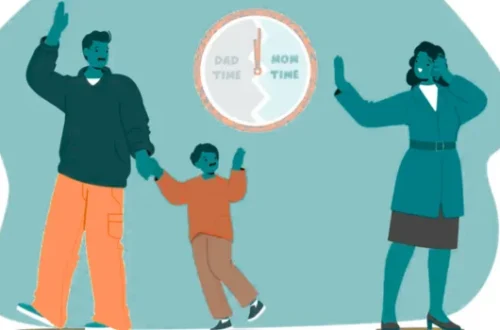
Trying to get custody of a child in Texas can feel overwhelming—especially if you’re already dealing with stress, conflict, or fear of losing time with your child. Many parents search for how to get custody of a child in Texas because they want clear answers, not complicated legal talk.
This guide explains Texas child custody laws in simple, easy-to-understand language. You’ll learn what custody really means in Texas, what courts look for, and practical steps you can take to improve your chances—without heavy legal jargon.
What Does “Custody” Mean in Texas?
Texas doesn’t use the word “custody” the way many states do. Instead, Texas law uses the term “conservatorship.”
Don’t worry—this just describes the rights and duties of parents.
There are two main parts:
- Legal rights (making decisions for the child)
- Physical possession (where the child lives and visitation time)
Types of Custody (Conservatorship) in Texas

- Joint Managing Conservatorship (Most Common)
This means both parents share decision-making responsibilities. One parent may still have the child more often, but both remain involved.
This is the preferred option in Texas when both parents are capable.
- Sole Managing Conservatorship
One parent has most legal decision-making power. The other parent usually gets visitation.
This may be ordered if one parent:
- Has a history of abuse or neglect
- Has serious substance abuse problems
- Is rarely involved in the child’s life
What Texas Courts Care About Most: The Child’s Best Interest
Texas courts decide custody based on the best interest of the child—not what’s easiest for the parents.
Judges look at:
- The child’s physical and emotional needs
- Each parent’s ability to care for the child
- Stability of each home
- Parenting history
- Any safety concerns
Being a biological parent alone is not enough—you must show you can provide a safe, stable environment.
Step-by-Step: How to Get Custody of a Child in Texas
Step 1: Establish Legal Parentage
If you are not legally recognized as the child’s parent, you must establish parentage first.
This may involve:
- Signing an Acknowledgment of Paternity
- Court-ordered DNA testing
Without legal parent status, you cannot request custody.
Step 2: File a Custody Case in Texas Court
Custody cases are filed as SAPCR cases (Suit Affecting the Parent-Child Relationship).
This is done in the county where the child lives.
You can file:
- During a divorce
- As a separate custody case
- As part of a modification request
Step 3: Ask for Temporary Orders (If Needed)
If custody is urgent, you can request temporary orders.
Temporary orders decide:
- Where the child lives
- Visitation schedules
- Temporary child support
These orders stay in place until the final decision.
Step 4: Create a Strong Parenting Plan
A parenting plan shows the court how you will care for your child.
It should include:
- Where the child will live
- School and medical plans
- Daily routines
- Visitation schedule
- Communication between parents
Courts prefer parents who come prepared and organized.
Step 5: Show You Are an Active, Responsible Parent
Judges want proof—not promises.
Helpful evidence includes:
- School records
- Medical involvement
- Attendance at activities
- Texts or emails about parenting
- Witness statements
The more involved you are, the stronger your case.
Can Fathers Get Custody in Texas?
Yes. Texas law does not favor mothers over fathers.
Fathers who actively parent and provide stability often receive:
- Joint custody
- Primary custody
- Expanded visitation
Courts care about parenting ability, not gender.
Can Mothers Lose Custody?
Yes, if there are serious concerns such as:
- Abuse or neglect
- Substance abuse
- Unsafe living conditions
- Repeated violations of court orders
Custody is about the child’s safety and well-being—not automatic rights.
What Hurts Your Chances of Getting Custody?
Avoid these common mistakes:
- Bad-mouthing the other parent
- Missing visitation
- Ignoring court orders
- Posting angry messages on social media
- Using the child to fight the other parent
Courts pay close attention to behavior.
How Child Support Affects Custody
Child support and custody are separate issues.
- Paying child support does not guarantee custody
- Not paying child support does not automatically block custody
However, financial responsibility does reflect parental commitment.
Emergency Custody in Texas
If your child is in immediate danger, you may request emergency custody.
Emergency custody may be granted if there is:
- Abuse or neglect
- Domestic violence
- Serious substance abuse
- Abandonment
These cases move quickly, and evidence is critical.
Do You Need a Lawyer to Get Custody in Texas?
You are not required to hire a lawyer, but legal help is strongly recommended if:
- Custody is contested
- There are abuse allegations
- Emergency orders are involved
- The other parent has a lawyer
Some parents use limited-scope legal help to reduce costs.
Mediation and Parenting Classes
Texas courts often encourage mediation.
Mediation:
- Helps parents reach agreements
- Saves time and money
- Reduces conflict
Parenting classes may also be required to help parents focus on the child’s needs.
Modifying Custody Orders Later
Custody orders can be changed if there is a material and substantial change, such as:
- Job changes
- Relocation
- Safety concerns
- Child’s needs changing
Texas courts allow modifications when it benefits the child.
Final Thoughts
If you’re wondering how to get custody of a child in Texas, the answer is preparation, involvement, and focus on your child’s best interests. Texas courts reward parents who show stability, responsibility, and cooperation.
Custody cases are not about winning against the other parent—they’re about creating the best future for your child.
FAQs
Do I need to be married to get custody?
No. Unmarried parents can seek custody.
Can a parent deny visitation?
Not without a court order.
At what age can a child choose where to live in Texas?
At age 12, a child may express a preference, but the judge decides.
Is joint custody automatic?
No, but it is commonly ordered when both parents are fit.