Divorce can feel overwhelming—especially when you’re trying to understand the law at the same time. If you live in Massachusetts (often called “Mass.”), knowing the basics of Mass divorce laws can make the process less stressful and help you make better decisions for your future.
The good news is that Massachusetts divorce laws are designed to be fair and practical, not overly complicated. Most divorces focus on cooperation, financial fairness, and the well-being of children rather than blame or punishment.
This easy-to-read guide explains Mass divorce laws in plain language, without heavy legal terms, so anyone can understand what to expect.
Understanding Divorce in Massachusetts
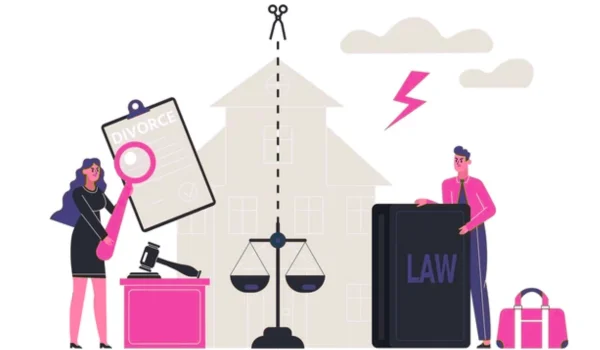
Divorces in Massachusetts are handled by the Probate and Family Court. The court’s main goals are:
- To divide property fairly
- To ensure children are protected and supported
- To help both spouses move forward financially
Massachusetts allows both no-fault and fault-based divorce, but most people choose the no-fault option because it is simpler and less emotional.
Residency Requirements: Can You File in Mass?
Before filing for divorce in Massachusetts, certain residency rules must be met:
- Either spouse must have lived in Massachusetts for at least one year, or
- The reason for the divorce happened in Massachusetts, and one spouse currently lives there
If these rules are not met, the court may reject the divorce filing.
Types of Divorce Under Mass Divorce Laws
- No-Fault Divorce (Most Common)
A no-fault divorce means neither spouse has to prove wrongdoing. Instead, the marriage is considered broken beyond repair.
There are two main no-fault options:
1A Divorce – Uncontested Divorce
- Both spouses agree on all major issues, including:
- Property division
- Child custody
- Child support
- Alimony (if any)
- Both spouses file together
- Usually faster, cheaper, and less stressful
This is the smoothest divorce option in Massachusetts.
1B Divorce – Contested Divorce
- One spouse files for divorce
- The other spouse may disagree on one or more issues
- The court steps in to resolve disagreements
- Fault-Based Divorce (Less Common)
Massachusetts still allows fault-based divorce, but it is rarely used. Grounds may include:
- Adultery
- Cruel or abusive behavior
- Desertion
- Alcohol or drug addiction
Fault-based divorces often take longer, cost more, and increase conflict, which is why most people avoid them.
How Property Is Divided in Massachusetts
Massachusetts follows an equitable distribution system.
What Does “Equitable” Mean?
- Property is divided fairly, not always equally
- A 50/50 split is not guaranteed
Judges look at several factors, including:
- Length of the marriage
- Income and earning ability of each spouse
- Contributions to the marriage (including staying home to raise children)
- Age and health of both spouses
- Future financial needs
What Property Can Be Divided?
Under Mass divorce laws, the court can divide:
- Homes and real estate
- Bank accounts
- Retirement savings
- Vehicles
- Businesses
- Debts
Even property owned before marriage can sometimes be divided if fairness requires it.
Child Custody Laws in Massachusetts
When children are involved, the court focuses on the best interests of the child.
Types of Custody
- Legal Custody – Who makes major decisions (school, medical care)
- Physical Custody – Where the child lives most of the time
Custody can be:
- Sole custody
- Shared custody
Massachusetts courts often support shared parenting when it is safe and beneficial for the child
Child Support Rules in Mass
Child support is calculated using Massachusetts Child Support Guidelines.
The court considers:
- Income of both parents
- Number of children
- Parenting time
- Health insurance and childcare costs
Child support usually continues until the child turns:
- 18 years old (in most cases)
- Up to 21 or 23 in certain education-related situations
Alimony (Spousal Support) in Massachusetts
Alimony is not automatic. The court decides whether support is needed and for how long.
Types of Alimony
- General Term Alimony – Ongoing support after divorce
- Rehabilitative Alimony – Short-term help to gain job skills or education
- Reimbursement Alimony – Repayment for financial sacrifices
- Transitional Alimony – Short-term support for adjusting to post-divorce life
The length and amount depend largely on the length of the marriage and financial need.
The Divorce Process in Massachusetts (Step-by-Step)
Here’s a simple breakdown of how divorce usually works:
- File the divorce papers
- Serve papers to the other spouse (unless filing jointly)
- Exchange financial information
- Negotiate or attend mediation
- Court hearing
- Judge issues divorce judgment
An uncontested divorce can be completed in a few months. Contested divorces may take a year or longer.
Mandatory Waiting Period
After the judge approves the divorce:
- There is a 90-day waiting period
- The divorce is not final until this period ends
- You cannot legally remarry during this time
Mediation and Parenting Education
Massachusetts encourages peaceful resolutions:
- Mediation helps couples resolve disputes without lengthy court battles
- Parents may be required to attend parenting education programs
These steps aim to reduce conflict and protect children.
Do You Need a Divorce Lawyer?
Hiring a lawyer is not required, especially for uncontested divorces. However, legal help may be useful if:
- There are major disagreements
- Significant assets are involved
- Children are involved
- There is domestic violence or financial control
Some people use limited legal services to save money while still getting guidance.
Final Thoughts on Mass Divorce Laws
Mass divorce laws focus on fairness, cooperation, and protecting families during a difficult transition. Whether your divorce is simple or complex, understanding your rights and responsibilities can help you move forward with confidence.
Taking time to learn the basics—and seeking help when needed—can make a challenging process more manageable and less stressful.
FAQs
Is Massachusetts a no-fault divorce state?
Yes. Most divorces are filed as no-fault.
How long does divorce take in Mass?
Uncontested cases may take 3–4 months. Contested cases often take longer.
Is property split 50/50?
Not necessarily. The court divides property fairly, not equally.
Do both spouses have to agree to get divorced?
No. One spouse can file even if the other disagrees.