Habitat for Humanity is widely known for helping families build safe, affordable homes. Communities across the U.S., including places like Rockdale, often welcome Habitat projects because they improve neighborhoods and support families in need. But even well-intentioned projects can sometimes face property line disputes.
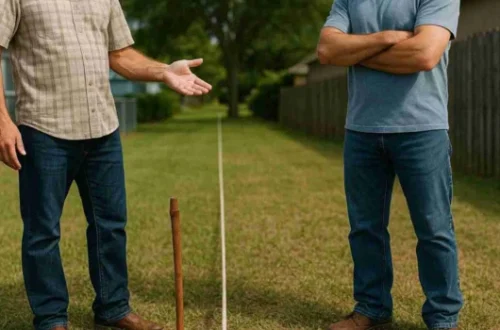
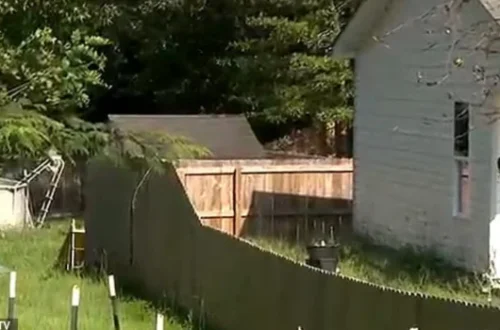
A Rockdale Habitat for Humanity property line dispute—or any similar situation—usually happens when there is confusion or disagreement about where one property ends and another begins. These disputes are rarely about bad intentions. Most are caused by unclear records, old boundaries, or misunderstandings between neighbors.
This article explains how property line disputes involving Habitat for Humanity projects typically arise, how they are handled, and what property owners should know, all in plain, everyday language.
What Is a Property Line Dispute?
A property line dispute happens when two parties disagree about the legal boundary between their properties. This can involve:
- Fences built in the wrong location
- Homes or driveways crossing a boundary
- Landscaping placed over a line
- Conflicting land records
In a Habitat for Humanity project, the dispute may involve:
- A neighboring homeowner
- The Habitat organization
- A local government or land authorit
Why Property Line Disputes Can Happen in Habitat Projects
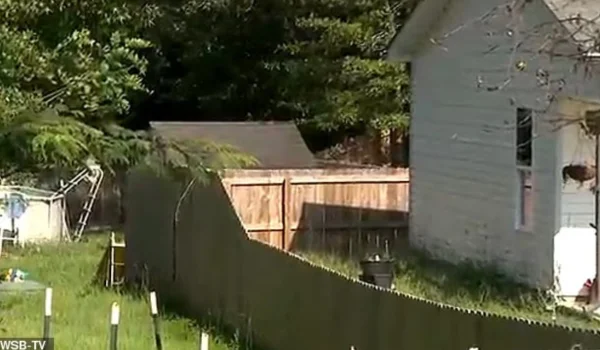
Even nonprofit housing projects are not immune to land issues. Common reasons include:
- Old or Unclear Property Records
In many areas, including smaller towns and older neighborhoods, property descriptions may be outdated or unclear.
- Previously Unmarked Boundaries
Some lots do not have visible boundary markers, making assumptions easy but risky.
- Construction Before Final Surveys
If a structure is built based on older information, boundary conflicts may appear later.
- Neighbor Concerns
Neighbors may notice changes and question whether a new home crosses onto their land.
Who Is Usually Involved in These Disputes?
A Rockdale Habitat for Humanity property line dispute may involve:
- Habitat for Humanity (as builder or property owner)
- The future homeowner
- Neighboring landowners
- Surveyors
- Local zoning or land offices
Most disputes are civil matters, not criminal ones.
How Property Lines Are Legally Determined
Property lines are not decided by fences, bushes, or verbal agreements. They are determined by:
- Property deeds
- Land surveys
- County or city records
A licensed property survey is often the most important step in resolving a boundary dispute.
The Role of a Property Survey
A property survey involves a professional measuring the land based on official records. It shows:
- Exact boundary lines
- Property corners
- Encroachments
- Easements
In most property line disputes, including those involving Habitat for Humanity, a survey provides the clearest answer.
Who Pays for the Survey?
Who pays depends on the situation:
- If Habitat orders the survey, it usually pays
- If a neighbor requests it, the neighbor usually pays
- If both parties agree, costs may be shared
- If a court orders it, the judge may decide who pays
There is no automatic rule that one side must pay.
How Habitat for Humanity Typically Handles Disputes
Habitat for Humanity organizations generally aim to resolve disputes peacefully and cooperatively.
Common steps include:
- Reviewing land records
- Ordering updated surveys
- Communicating with neighbors
- Adjusting building plans if needed
- Seeking legal clarification when required
Because Habitat works closely with local communities, disputes are often settled without court involvement.
What Happens If a Boundary Mistake Is Found?
If a survey shows that a structure crosses a property line, several outcomes are possible:
- Agreement Between Parties
Neighbors may agree to adjust boundaries or allow the structure to remain.
- Property Adjustment
In some cases, land may be legally transferred or boundaries corrected.
- Structure Modification
Rarely, part of a structure may need to be moved or changed.
- Legal Action
If no agreement is reached, the dispute may go to civil court.
Are Lawsuits Common in These Cases?
Most property line disputes involving nonprofits do not end in lawsuits. Court cases are expensive and time-consuming, so parties usually prefer:
- Negotiation
- Mediation
- Written agreements
Legal action is typically a last resort.
How Neighbors Can Protect Their Rights
If you are a neighbor involved in or concerned about a property line dispute:
- Review your deed
- Check county records
- Request a survey if needed
- Communicate calmly
- Keep written records
Early action can prevent long-term conflict.
What Future Homeowners Should Know
People moving into Habitat homes should understand that:
- Property issues may be resolved before closing
- Surveys protect both the homeowner and neighbors
- Boundary clarity helps avoid future problems
Once resolved, these disputes usually do not affect daily living.
Why Clear Property Lines Matter
Clear boundaries help prevent:
- Legal stress
- Financial loss
- Neighbor conflicts
- Delays in home ownership
Whether the property belongs to a nonprofit or an individual, clarity benefits everyone.
Frequently Asked Questions (FAQ)
Is Habitat for Humanity legally responsible for boundary errors?
Responsibility depends on facts, surveys, and contracts.
Can neighbors stop construction?
Only if legal violations are proven.
Are property line disputes public record?
Court cases are public; private agreements are not.
Do these disputes delay home ownership?
Sometimes, but many are resolved quickly.
Can a mistake be fixed without court?
Yes, in most cases.
Final Thoughts
A Rockdale Habitat for Humanity property line dispute—or any similar situation—is usually about clarity, not conflict. These disputes often arise from old records, unclear boundaries, or honest mistakes. With surveys, communication, and cooperation, most issues are resolved without legal battles.
Understanding how property lines work helps neighbors, homeowners, and organizations protect their rights while maintaining strong community relationships.