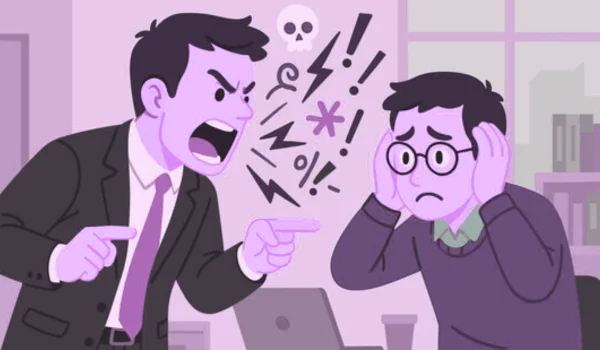
Commercial property can be a great investment, but it often comes with legal headaches. When money, long-term contracts, and valuable property are involved, disagreements are bound to happen. In the United States, commercial property legal disputes are common between landlords, tenants, buyers, sellers, developers, and neighbors.
These disputes can slow down business operations, cost thousands of dollars, and create long-term stress if not handled properly. The good news is that many commercial property disputes follow familiar patterns—and understanding them can help you avoid problems or resolve them faster.
This guide explains commercial property legal disputes in simple terms, without confusing legal language. Whether you’re a business owner, landlord, investor, or just curious, this article will help you understand what goes wrong and what can be done.
What Is a Commercial Property Legal Dispute?

A commercial property legal dispute happens when people or businesses disagree over rights, responsibilities, or money related to commercial real estate. Commercial property includes:
- Office buildings
- Retail spaces
- Warehouses
- Industrial properties
- Mixed-use buildings
Unlike residential disputes, commercial disputes usually involve business contracts, which are often more detailed and strict.
Common Causes of Commercial Property Disputes
Most disputes fall into a few main categories. Understanding these can help you spot issues early.
- Lease Agreement Disputes
Lease disputes are the most common type of commercial property conflict.
Common lease issues include:
- Rent increases and late payments
- Disagreements over maintenance duties
- Lease renewal or termination problems
- Hidden fees or operating costs
- Disputes over permitted business use
Commercial leases are usually less tenant-friendly than residential leases, so small misunderstandings can turn into legal battles.
- Maintenance and Repair Disputes
Commercial leases often divide maintenance responsibilities between landlords and tenants.
Disputes may arise over:
- HVAC systems
- Plumbing or electrical repairs
- Roof and structural issues
- Common area maintenance
If the lease language is unclear, both sides may argue about who should pay.
- Property Sale and Purchase Disputes
Buying or selling commercial property involves large sums of money, which increases risk.
Common disputes include:
- Failure to disclose property defects
- Disagreements over closing dates
- Financing issues
- Misrepresentation of property condition
- Contract breaches
These disputes often arise when expectations don’t match reality.
- Zoning and Land Use Conflicts
Zoning laws control how property can be used.
Disputes may happen when:
- A business violates zoning rules
- A buyer discovers limited permitted uses
- Neighbors object to development plans
- Local authorities deny permits
Zoning issues can delay projects for months or even years.
- Boundary and Easement Disputes
Boundary disputes involve confusion over property lines or access rights.
Examples include:
- Disputes over shared driveways
- Access to parking areas
- Utility easements
- Encroachments on neighboring land
These conflicts are common in older or densely developed areas.
- Environmental and Compliance Issues
Commercial property owners must follow environmental and safety rules.
Disputes may involve:
- Hazardous materials
- Environmental cleanup responsibility
- Building code violations
- Fire safety compliance
Failure to comply can lead to fines and legal action.
Who Can Be Involved in Commercial Property Disputes?
Commercial disputes often involve multiple parties, such as:
- Landlords
- Tenants
- Buyers and sellers
- Real estate developers
- Property managers
- Local government agencies
More parties usually means more complexity.
How Commercial Property Disputes Are Resolved
Not all disputes end up in court. In fact, many are resolved through other methods.
Negotiation
Negotiation is often the first step. Both sides try to reach an agreement without outside help.
Pros:
- Low cost
- Faster resolution
- Preserves business relationships
Mediation
Mediation involves a neutral third party who helps both sides find common ground.
Pros:
- Less stressful than court
- Private
- Flexible solutions
Arbitration
Arbitration is more formal. An arbitrator reviews the case and makes a binding decision.
Pros:
- Faster than court
- Less public
- Often required by commercial leases
Litigation (Court Cases)
When other options fail, disputes may go to court.
Cons:
- Expensive
- Time-consuming
- Public record
Court cases can take years to resolve.
Common Mistakes That Make Disputes Worse
Many disputes escalate due to avoidable mistakes:
- Not reading the lease carefully
- Ignoring written notices
- Poor documentation
- Delayed responses
- Emotional decision-making
Simple steps can prevent small problems from becoming major disputes.
How to Protect Yourself from Commercial Property Disputes
You can reduce risk by taking practical steps:
- Review contracts carefully before signing
- Keep written records of all communications
- Understand zoning and permitted uses
- Schedule regular inspections
- Address issues early
Being proactive saves time and money.
What to Do If You’re Already in a Dispute
If you’re involved in a commercial property dispute:
- Review your lease or contract
- Gather documents and evidence
- Communicate clearly and professionally
- Avoid taking actions that could escalate the conflict
- Consider professional legal guidance
Quick action can limit damage.
Frequently Asked Questions (FAQ)
Are commercial property disputes different from residential ones?
Yes. Commercial disputes involve business contracts and fewer tenant protections.
Can disputes be settled without going to court?
Yes. Many are resolved through negotiation or mediation.
Are verbal agreements enforceable?
Sometimes, but written contracts are much stronger.
Who usually pays legal costs?
It depends on the contract and court outcome.
How long do disputes last?
They can last from weeks to several years.
Final Thoughts
Commercial property legal disputes are common, but they don’t have to be overwhelming. Most disputes arise from unclear contracts, miscommunication, or unmet expectations. By understanding common issues and resolution options, business owners and investors can protect their interests and reduce risk.
This article is for general information only, not legal advice. For specific disputes, consulting a qualified legal professional can make a major difference.