Can Words Really Be a Crime?
We often hear the phrase “sticks and stones may break my bones, but words will never hurt me.” In real life, that isn’t always true. Words can threaten, intimidate, and cause serious emotional distress. This is where verbal assault law comes into play.
Many people are confused about whether verbal abuse, threats, or aggressive language are actually illegal. Can someone be arrested just for yelling? Is threatening someone over the phone a crime? What about online harassment?
This article explains verbal assault law in simple terms, focusing on how U.S. laws generally work. You’ll learn what counts as verbal assault, when words cross the legal line, possible penalties, and what rights you have if you’re involved in a verbal assault situation.
What Is Verbal Assault?
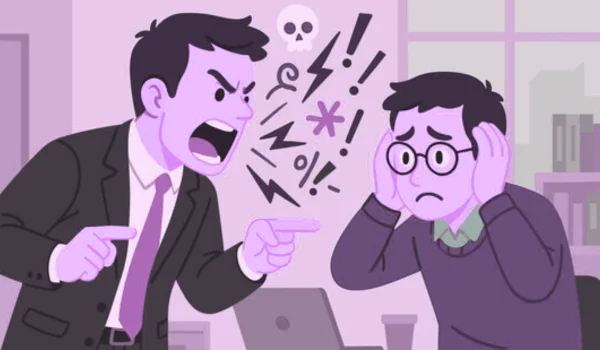
In everyday language, verbal assault refers to using words to threaten, intimidate, or aggressively confront someone. However, under U.S. law, “verbal assault” is not always a separate crime by name.
Instead, verbal assault usually falls under related legal categories such as:
- Criminal threats
- Harassment
- Disorderly conduct
- Intimidation
The key question courts ask is whether the words created fear, danger, or harm, not just hurt feelings.
When Do Words Become Illegal?
Not all rude or offensive language is against the law. In the United States, people have strong free speech rights. However, speech is not protected when it crosses certain lines.
Words may become illegal when they involve:
- A real threat of violence
- Repeated harassment meant to scare or control
- Language that causes someone to reasonably fear for their safety
- Aggressive behavior likely to start physical violence
Simply being angry or insulting is usually not enough.
Verbal Assault vs Free Speech
One of the biggest misunderstandings about verbal assault law is the role of free speech.
Protected Speech (Usually Legal):
- Insults
- Swearing
- Criticism
- Offensive opinions
Unprotected Speech (May Be Illegal):
- Threats to kill or seriously harm
- Repeated harassment
- Intimidation
- Statements encouraging immediate violence
The law balances freedom of speech with public safety.
Common Types of Verbal Assault-Related Offenses
Different states use different legal terms, but these are the most common categories linked to verbal assault.
- Criminal Threats
A criminal threat occurs when someone:
- Threatens serious harm or death
- Appears capable of carrying it out
- Causes the victim to reasonably fear for their safety
Example:
Telling someone, “I will kill you tonight,” while showing a weapon.
This is one of the most serious verbal assault-related charges.
- Harassment
Harassment usually involves repeated behavior, not just a single incident.
Examples include:
- Repeated threatening phone calls
- Abusive text messages
- Online harassment or cyberbullying
- Verbal abuse meant to intimidate
Harassment laws are often used in workplace, domestic, and online situations.
- Intimidation
Intimidation involves using words or actions to frighten or control someone.
This may include:
- Threats tied to power or authority
- Threats aimed at witnesses or employees
- Coercive language meant to force behavior
- Disorderly Conduct
Some verbal outbursts fall under disorderly conduct laws.
Examples:
- Screaming threats in public
- Aggressive yelling likely to cause a fight
- Disturbing the peace with hostile language
This is usually a lower-level offense but still serious.
Verbal Assault in Domestic Situations
Verbal assault is especially important in domestic and family settings.
Courts may consider:
- Threats between partners
- Emotional abuse
- Intimidating language used to control a spouse or family member
In many states, verbal threats can support:
- Protective orders
- Restraining orders
- Domestic violence cases
Even without physical harm, verbal threats can have legal consequences.
Verbal Assault at Work or School
In the Workplace:
- Threatening coworkers
- Abusive language from supervisors
- Repeated verbal intimidation
Employers may take disciplinary action, and serious cases can involve law enforcement.
In Schools:
- Threatening students or teachers
- Bullying that includes threats
- Statements suggesting violence
Schools take verbal threats seriously due to safety concerns.
Verbal Assault Online and on Social Media
Online threats are treated seriously under modern law.
Examples include:
- Threatening messages on social media
- Repeated abusive comments
- Threats sent through email or text
Even if made online, words can lead to criminal charges if they cause fear or danger.
Possible Penalties for Verbal Assault-Related Charges
Penalties depend on the offense and state law but may include:
- Fines
- Probation
- Mandatory counseling
- Restraining orders
- Jail time (in serious cases)
Criminal threats often carry the harshest penalties.
What Should You Do If You’re a Victim?
If you are experiencing verbal assault:
- Document everything (texts, emails, voicemails)
- Avoid responding aggressively
- Report serious threats to law enforcement
- Seek a protective order if needed
- Talk to a legal professional for guidance
Taking threats seriously can prevent escalation.
What If You’re Accused of Verbal Assault?
If you’re accused:
- Do not continue contact
- Avoid making further statements
- Take the accusation seriously
- Seek legal advice if charges are filed
Even words spoken in anger can have lasting legal consequences.
Frequently Asked Questions
Is verbal assault always a crime?
No. It becomes a crime only when it involves threats, harassment, or intimidation.
Can yelling at someone get you arrested?
Usually no, unless it includes threats or causes public danger.
Are online threats treated seriously?
Yes. Online threats can lead to criminal charges.
Can verbal assault lead to jail time?
Yes, especially for criminal threats.
Does intent matter?
Yes. Courts look at intent and impact.
Final Thoughts
Verbal assault law exists to protect people from fear, intimidation, and harm caused by words. While free speech is a core American right, it does not protect threats or abusive conduct that puts others at risk.
Understanding the line between protected speech and illegal verbal behavior helps people communicate responsibly and protect their rights.
This article is for general information only and not legal advice. Anyone facing a serious legal situation should consult a qualified attorney.